
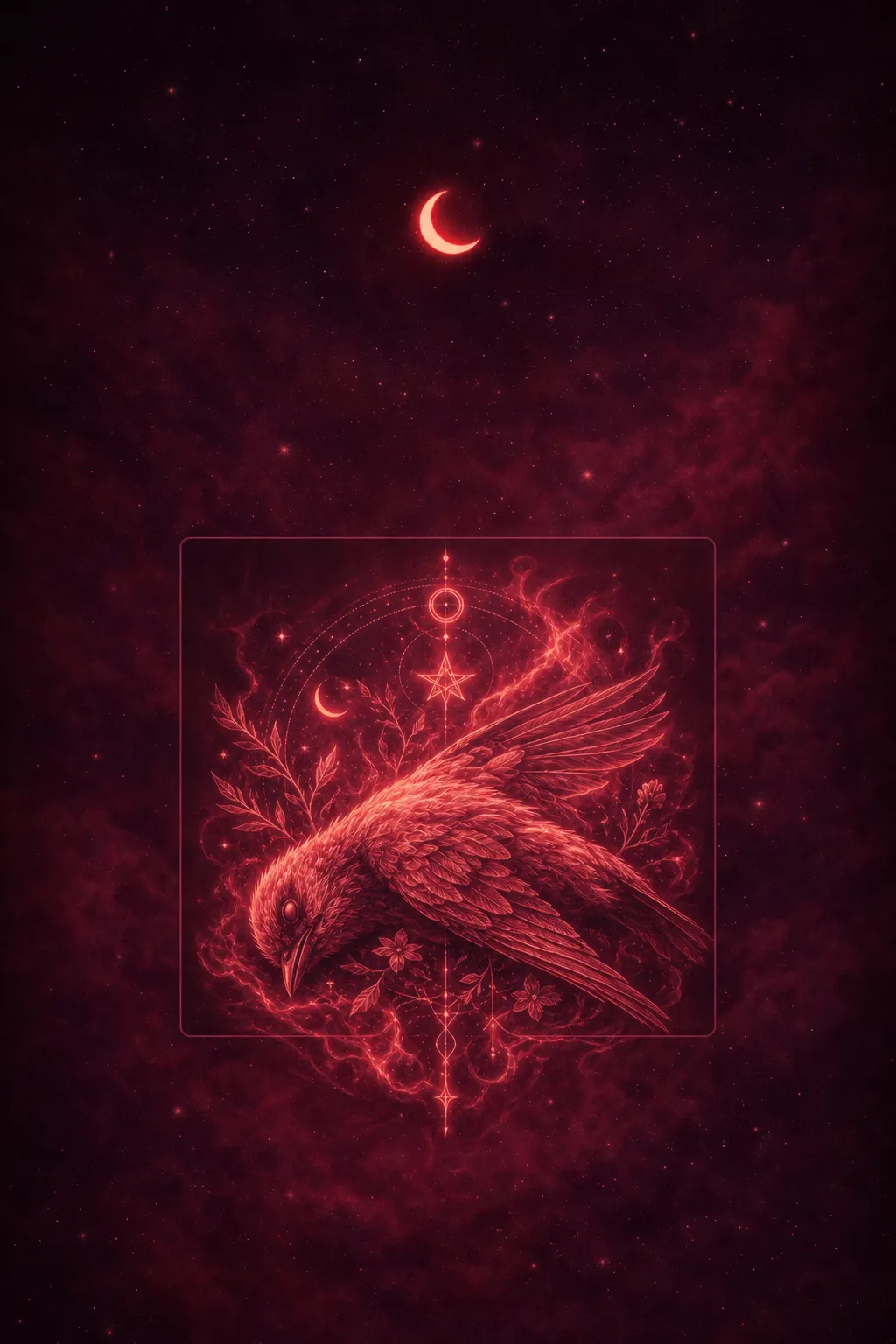

Seeing a dead bird in a dream typically symbolizes the end of something meaningful in your life — a relationship, a phase, or a long-held hope — and while the image feels unsettling, it often signals necessary closure, transformation, and the quiet invitation to release what no longer serves your growth.
In under a minute you could read what your exact dream means for you, and see a picture of it. Free.
A dream still on your mind? Get your personal reading.
Describe your dream in a line or two. In seconds you get a reading of your exact dream, a picture drawn from your own words, and every symbol explained.
Free. No sign-up. Takes 10 seconds. Your dream stays private.
0%
Analyzing your dream…
Something went wrong. Please try again in a moment.
Your dreams deserve more than a dictionary
Common Dead Bird Dream Scenarios
The specific circumstances surrounding the dead bird shape its meaning considerably. Finding a dead bird without warning — on a path, in a yard, or at your feet — typically reflects an ending you did not choose: a fading relationship, a plan quietly falling apart, or a hope you have not yet let yourself mourn. The shock mirrors real-life moments when loss arrives uninvited, prompting a necessary reassessment. Watching a bird fall dead from the sky carries a sharper anxiety edge: much like the classic falling dream, it often signals fear that upward momentum — a career push, a creative project — is suddenly collapsing, stripping away your sense of control over your own progress.
- Multiple dead birds: A field or flock of lifeless birds amplifies the feeling of compounded, systemic loss — the sense that change is happening on a scale you cannot manage or reverse.
- You caused the bird's death: This scenario frequently surfaces guilt or self-blame; some part of you fears you have damaged your own freedom or harmed a meaningful connection through your own actions.
- The dead bird stirs or revives: Ambivalence lives here — the psyche is unsure whether something is truly finished, and a fragile thread of hope remains tangled with grief over an unresolved transition.
- A recognizable species: A dead dove may point to a lost sense of peace or a spiritual message left unheard; a dead songbird often echoes a silenced voice or suppressed joy — not unlike the anxiety behind dreams of losing teeth, where something once vital suddenly disappears.
- Your own pet or caged bird: This tends to reflect a nurtured aspiration or a carefully tended part of yourself that has been neglected — grief here is layered with guilt over what went uncared for.
Was yours a sign? Find out.
Across all these variants, the common thread is a tension between what you hoped to preserve and what circumstances — or your own choices — have brought to an end.
What a dream about a dead bird could look like
Tap an image to open it full screen
Example images. Only you can see what you write in Dream Book.
What Your Subconscious May Be Telling You
From a psychological standpoint, a dead bird surfaces when the subconscious is quietly working through grief over something that once felt full of possibility. Because birds are instinctively linked to freedom, aspiration, and forward movement, the mind reaches for this image when it senses that a cherished goal, relationship, or belief has lost its vitality. Much like dreams of falling, the dead bird taps into that raw feeling of lost control — the awareness that an outcome you cared about slipped beyond your reach before you were ready to let go.
Modern life adds its own weight here. In an era of chronic pressure and constant change, this dream can reflect what psychologists sometimes call change fatigue — a weariness that accumulates when too many transitions stack up at once. The dreamer may not consciously register the strain, but the image of a motionless bird externalizes it clearly: something that should be alive and moving has gone still. This echoes the unsettling stillness found in dreams about death more broadly — not a literal prophecy, but the psyche's way of marking a significant inner threshold. For those with a faith background, this resonates with the biblical sense of seasons ending — not as pure loss, but as a difficult threshold before renewal.
- Grief processing: mourning a relationship, identity, or ambition that has quietly expired
- Thwarted autonomy: feeling hemmed in, unable to pursue what once inspired you
- Control anxiety: distress over outcomes that unfolded outside your influence
- Suppressed fear of endings: a foreboding you have not yet named in waking life
But what does your version mean?
Taken together, these threads suggest the dream is less a warning than an invitation — a prompt from the subconscious to acknowledge what has ended so that genuine healing, and eventually new direction, can begin.
Every dream you log starts to connect.
Dream Book keeps your dreams in one place and reveals the threads between them over time — your private dream journal. Free to start.


Cultural Traditions and Folk Beliefs Around the Dead Bird
Across many Western folk traditions, a dead bird — whether encountered in waking life or in a dream — has long been read as an omen of change or impending loss. In British and early American folklore, a bird striking a window and dying was widely taken as a warning that something cherished was about to end: a friendship, a run of good luck, or even a life. That instinct — that the world is sending a signal you are not in control of — maps neatly onto the modern anxiety of watching plans unravel despite your best efforts. Dreams that echo these omens can feel less like random imagery and more like an inner alarm bell about endings you sense but have not yet named, much as dreams of falling speak to that same gut-level dread of losing your footing.
Within mainstream American Christian culture, birds carry a gentle theological weight — think of the sparrow in Matthew 10:29, not one falling unnoticed. A dead bird in this reading suggests a season closing rather than a catastrophe: God notes even the smallest loss, implying that what feels like a devastating ending is still held within a larger order. This framing softens the foreboding without dismissing it, offering the dreamer a sense of meaning rather than pure helplessness.
A bad dream isn't a bad sign.
- British and colonial folk belief: a dead bird near the home signals an unwanted change approaching.
- Native European tradition: birds as soul-carriers mean a dead bird can mark spiritual transition, not just physical loss.
- Modern popular culture: the image persists in literature and film as shorthand for crushed innocence or a hope that arrived too late — reinforcing how deeply the symbol resonates with collective anxiety about losing control over outcomes.
A Spiritual Reading: Endings, Messengers, and Trusting Renewal
Within a US Christian frame, the dead bird carries quiet theological weight. Matthew 10:29 reminds believers that not one sparrow falls without God's awareness — a verse that reframes the dream's central image from pure loss into something more purposeful. Dreaming of a dead bird may therefore signal the close of a season rather than a permanent defeat: an invitation to release what can no longer be held and to trust that the ending is seen, even when it feels invisible or uncontrolled. For dreamers already wrestling with modern anxieties around change and powerlessness, this perspective offers a distinct kind of comfort — not the denial of grief, but the assurance that the loss registers beyond the self.
Spiritual traditions more broadly have treated birds as messengers between the earthly and the unseen. A dead bird in this light may suggest that a particular message — a calling, a prompting, an inner conviction — has gone unheeded long enough that the soul is now marking its passing. This connects naturally to the theme of dreaming of death as transition rather than termination: something must be released before renewal can arrive. It is worth noting that dreams of falling often carry a similar spiritual undertone — the sensation of losing altitude mirrors the moment a cherished hope slips beyond reach.
- Season's end: A spiritual prompt to honestly acknowledge what is finished and stop trying to revive it.
- Unseen witness: A reminder, in anxious times, that loss of control does not mean loss of meaning.
- Dormant calling: A nudge to examine whether a sense of purpose or spiritual direction has quietly been neglected.
Related Dream Meanings
common dreams
Falling Dream Meaning: Insecurity, Fear & Loss of Control
5 min read
body health
Teeth Falling Out Dream: Anxiety, Loss & Vulnerability
5 min read
nightmares
Death Dream Meaning: Transformation, Loss & Change
5 min read
nightmares
Bomb Dream Meaning: Anxiety, Repression & Change
5 min read
nightmares
Dream of No Reflection in Mirror - Meaning and Interpretation
6 min read
nightmares
What Does It Mean to Dream About Rotten Food? Interpretation and Meaning
6 min read
nightmares
Eating Glass Meaning - Symbolism & Interpretation
6 min read
nightmares
What Does It Mean to Dream About a Dark Forest
5 min read
Practical Takeaways: What to Do After This Dream
Because a dead bird dream tends to surface during periods of real-life stress, loss, or stalled ambition, the most useful first step is simply naming what has ended — or what you fear is ending. Write it down before the feeling fades. Ask yourself honestly: is there a goal, relationship, or creative hope you have been quietly grieving but refusing to acknowledge? Putting words to that loss moves it from background dread into something you can actually deal with.
Was yours a sign? Find out.
- Audit your sense of control. Feeling powerless over an outcome is a core driver of this dream. List the one or two things within the situation you can influence, however small, and take a concrete step toward one of them this week.
- Allow yourself a deliberate goodbye. Whether journaling, talking to a trusted friend, or a short private ritual, marking an ending consciously tends to reduce the anxiety that feeds recurring dreams — similar to the process explored in death-themed dreams more broadly.
- Check your change-fatigue level. If the dream repeats, it may signal accumulated stress rather than one specific loss. Scale back your commitments temporarily, or seek a counselor if grief feels unmanageable — much as people do when working through falling dreams tied to loss of control.
- Look for what is still in flight. Once you have honored what has died, deliberately redirect attention to an aspiration that remains alive — this rebalances the emotional ledger the dream is drawing your attention to.
Keep the ones that matter close.
The free app saves your most meaningful dreams and reads the signs across them — so a visit or a sign is never lost. Free to start.
People Also Ask
It can be. A dead bird often signals the end of something — a relationship, a phase, or a way of thinking. Your subconscious may be urging you to pay attention to something fading in your waking life before it is fully lost. Consider what feels neglected or at risk right now.
Surprisingly, it can be positive. Endings make room for new beginnings, so a dead bird may symbolize transformation rather than pure loss. Just as a chapter closes, fresh opportunities emerge. If the dream felt peaceful rather than distressing, treat it as a hopeful sign that positive change is approaching your life.
Biblically, birds represent the soul, divine care, and freedom. A dead bird can reflect spiritual vulnerability or a sense of distance from God. Yet scripture also emphasizes resurrection and renewal, so the symbol may point toward spiritual growth after a period of struggle, mirroring themes of death followed by new life — much like dreams of fire signal purification and rebirth.
Sparrows symbolize humility, community, and simple joy. Dreaming of a dead sparrow may suggest you have lost touch with life's small pleasures or feel overlooked and undervalued. Spiritually, it invites you to reconnect with gratitude and remember that even modest things hold deep worth and deserve your gentle attention.
Curious what your dream would look like?