
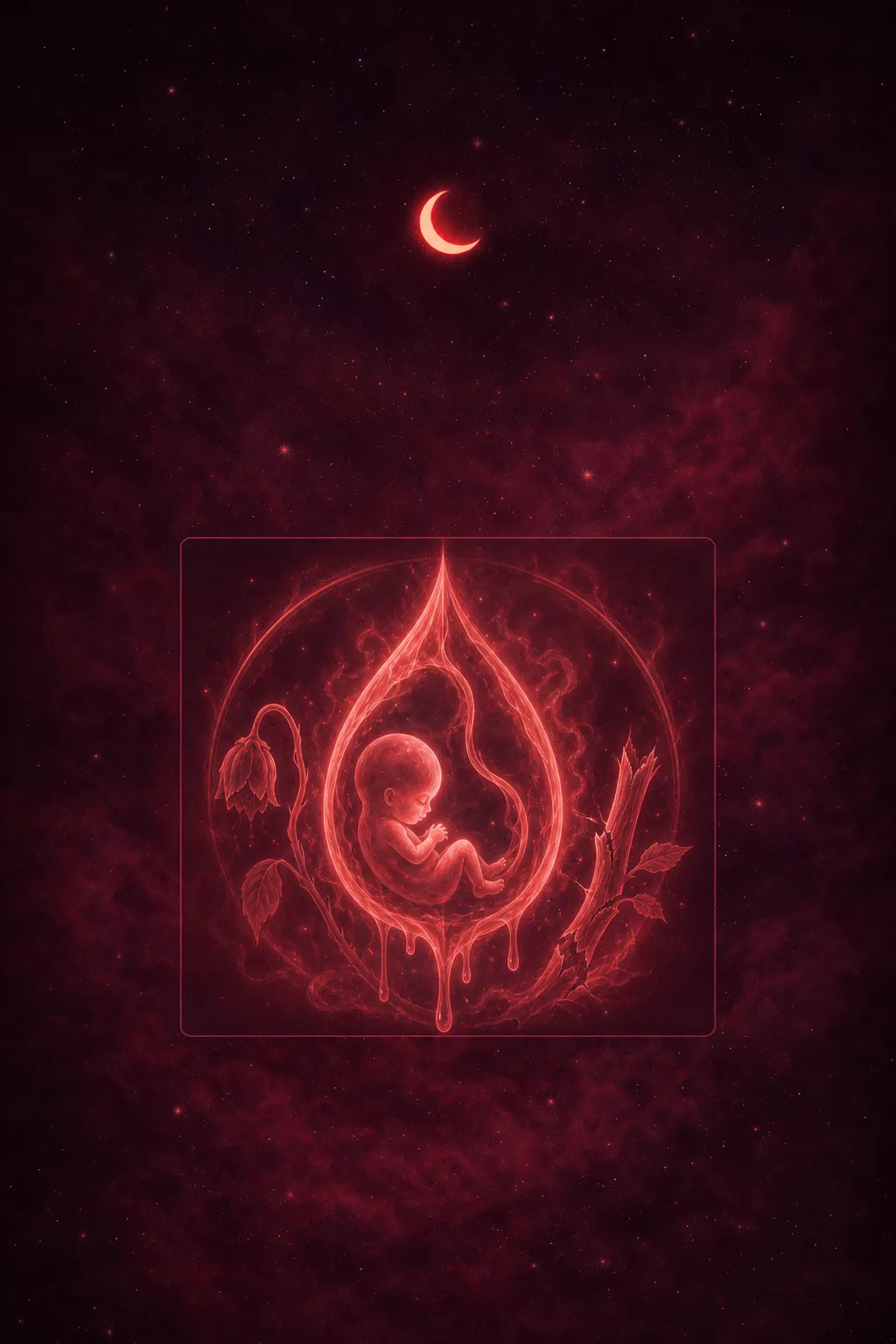

Dreaming about a miscarriage typically symbolizes fear of loss, anxiety about a new project or relationship failing, or deep emotional grief, reflecting your subconscious processing of insecurity, change, or unresolved pain rather than predicting any literal event in waking life.
In under a minute you could read what your exact dream means for you, and see a picture of it. Free.
A dream still on your mind? Get your personal reading.
Describe your dream in a line or two. In seconds you get a reading of your exact dream, a picture drawn from your own words, and every symbol explained.
Free. No sign-up. Takes 10 seconds. Your dream stays private.
0%
Analyzing your dream…
Something went wrong. Please try again in a moment.
Your dreams deserve more than a dictionary
Common Miscarriage Dream Scenarios and What They Mean
The most frequently reported version — experiencing the miscarriage yourself — centres on a deep fear of losing something you feel responsible for. This might be a relationship, a creative project, or a professional goal that feels fragile right now. The accompanying guilt or self-blame in the dream often mirrors waking thoughts that you are somehow failing to protect what matters most to you. If you are actually pregnant or trying to conceive, this scenario is almost always the mind processing real hope and fear simultaneously; it is stress at work, not a prophecy, and deserves reassurance rather than alarm.
When the dreamer witnesses someone else miscarrying, the focus shifts outward — toward concern for a friend, a partner, or a shared plan that seems at risk. Here the dream reflects empathy-driven anxiety rather than personal guilt. For dreamers with no pregnancy context at all, the symbol becomes almost entirely metaphorical: something new — an idea, an opportunity, a fresh start — feels in danger of collapsing before it can take shape, much like a dream of teeth falling out signals anxiety about losing control over outcomes you care about deeply. That same vertigo of helplessness appears in falling dreams, where the dreamer is powerless to stop a downward spiral, and in being-chased dreams, where something threatening cannot be outrun.
A bad dream isn't a bad sign.
- Feeling relief afterward: Points to genuine ambivalence — part of you may want to be freed from a commitment or obligation that feels overwhelming.
- Recurring miscarriage dreams: Suggest an unresolved grief loop or a persistent stressor that has not yet been faced directly; returning to the same scenario is the mind's signal that something still needs attention.
What a dream about a miscarriage could look like
Tap an image to open it full screen
Example images. Only you can see what you write in Dream Book.
The Psychological Reading: Loss, Control, and Interrupted Growth
From a psychological standpoint, a miscarriage dream rarely concerns literal pregnancy. Instead, the subconscious reaches for this imagery because few experiences capture the feeling of losing something deeply personal and unfinished quite so viscerally. Much like dreams about teeth falling out, this symbol tends to surface during periods of high anxiety — when a career pivot, a relationship, or a creative endeavor feels dangerously fragile and outside your control. The dreaming mind externalizes that inner dread through one of the most primal forms of loss available to it, not unlike the helplessness at the heart of falling dreams.
Psychologically, the core tension here is control versus helplessness. Modern life places enormous pressure on individuals to manage outcomes, and when something important feels uncertain or threatened, the unconscious registers that as a kind of developmental failure — something that was growing inside you, something you were nurturing, suddenly gone. That sense of guilt or inadequacy the dream stirs up is worth examining honestly: it often points to an internalized belief that you are solely responsible for keeping fragile things alive. Dreams involving death or endings share a similar psychological root — the mind rehearsing loss it cannot yet consciously accept.
- Grief and unresolved loss: The dream may be processing an earlier disappointment the waking mind has not fully acknowledged.
- Fear of incompleteness: A project or plan that feels stalled can manifest this way — the subconscious flags interrupted growth before the conscious mind admits the worry.
- Ambivalent relief: Occasionally the dream carries an unexpected undercurrent of relief, which may signal unconscious ambivalence about a commitment or direction in waking life.
- Self-knowledge prompt: Rather than treating the dream as an omen, psychology encourages treating it as a mirror — asking what, right now, feels most at risk of being lost before it reaches its full potential.
Every dream you log starts to connect.
Dream Book keeps your dreams in one place and reveals the threads between them over time — your private dream journal. Free to start.


Cultural and Traditional Perspectives on Miscarriage Dreams
In mainstream Anglo-American culture, dreams about miscarriage are generally understood through a psychological rather than prophetic lens. Unlike older folk traditions that treated vivid pregnancy-related dreams as omens or signs from the spirit world, contemporary Western culture — shaped heavily by popular psychology — frames these dreams as the mind processing anxiety, not forecasting real events. This distinction matters: most people who wake distressed from such a dream are not receiving a warning but working through feelings of vulnerability that daily life rarely gives them space to acknowledge. That same sensation of losing your footing on something important appears across many anxiety dreams, and miscarriage imagery sits within that broader family of loss-of-control symbols.
But what does your version mean?
A gentle but important cultural note runs alongside this: reproductive loss is a genuine and often isolating grief for many people. Culturally, miscarriage has historically been minimized or left unspoken, which means the weight attached to this imagery in dreams can carry unprocessed mourning from real experience. Interpreting the dream purely as abstract metaphor — a symbol of something unfinished slipping away — can feel dismissive when literal loss is part of someone's history. Sensitivity to that context is part of any honest reading. Dreams shadowed by imagery of endings and irreversible loss often signal that the dreamer needs space to grieve, not just to analyse.
- Modern anxiety framing: In a culture defined by productivity and control, the dream taps into a widespread fear that what you are building — a career move, a relationship, a personal goal — could collapse before it reaches completion.
- Christian-inflected readings: Some faith communities interpret such dreams as an invitation to surrender control and trust a larger plan, shifting the emotional weight from helplessness toward acceptance.
- Self-knowledge angle: Culturally, the dream is increasingly read as a signal to examine what you are investing in and whether you feel genuinely supported in seeing it through.
Spiritual Meaning: Fragile Hopes and Surrendering Control
Within a Christian framework, a miscarriage dream can feel like a quiet summons to prayer — an invitation to bring a fragile hope before God rather than carry its weight alone. The emotional helplessness at the center of this dream mirrors a theme woven throughout Scripture: the recognition that outcomes ultimately rest outside human control. Rather than reading the dream as an omen or divine warning, many believers find comfort in framing it as a prompt to examine where they are gripping too tightly to something still in its early, vulnerable stages — a relationship, a calling, a plan not yet fully formed. This sense of profound vulnerability is not unlike the vertiginous helplessness captured in dreams about falling, where the loss of footing stands in for a loss of agency.
In that sense, the spiritual reading aligns naturally with modern-anxiety concerns about control and uncertainty. Faith traditions that emphasize surrender — trusting that an unfinished thing is still held, even when it feels at risk — can offer genuine consolation here. The grief the dream surfaces does not have to be suppressed; lament is itself a spiritual act, much as the Psalms model honest mourning as part of a living faith. If you have recently experienced real loss of any kind, this dream may be the soul's way of processing grief that still needs acknowledgment and space — not unlike the way dreams involving death often serve as the psyche's ritual for working through endings.
Was yours a sign? Find out.
Spiritually oriented dreamers might ask themselves:
- What fragile hope am I afraid to lose — and have I truly surrendered it?
- Is there grief I have not yet given myself permission to mourn?
- Where is my need for control overriding my capacity for trust and patience?
Related Dream Meanings

body health
Teeth Falling Out Dream: Anxiety, Loss & Vulnerability
5 min read
common dreams
Falling Dream Meaning: Insecurity, Fear & Loss of Control
5 min read

nightmares
Being Chased Dream Meaning: Anxiety & Avoidance
5 min read

nightmares
Death Dream Meaning: Transformation, Loss & Change
5 min read
nightmares
Dreaming of a Cemetery Meaning: What Your Dream Reveals
6 min read

nightmares
Waking Up Crying Dream Meaning: Grief, Stress & Release
5 min read

nightmares
Out of Body Experience Dream Meaning
6 min read

nightmares
What Does Dreaming About a Zombie Apocalypse Mean
5 min read
Practical Takeaways: What to Do After This Dream
Because miscarriage dreams almost always surface when something important feels at risk, the most useful first step is honest identification: what in your waking life feels unfinished and fragile right now? A work project under pressure, a relationship in a delicate stage, or a personal goal you haven't yet committed to fully are all strong candidates. Naming the real-world "project" the dream is pointing to shifts you from helpless observer to someone who can actually respond.
- Do a stress audit. Miscarriage dreams spike during high-anxiety periods — much like dreams of being chased, they tend to cluster around specific stressors. Track whether the dream recurs around specific deadlines, conversations, or decisions — pattern recognition is itself a form of regaining control.
- Separate fear from forecast. Write down what you are most afraid will fail, then honestly assess what is actually within your power to influence. Much dream-anxiety shrinks when laid out plainly on paper.
- Take one small, concrete action toward the thing you fear losing — much like dreams about teeth falling out often prompt people to address long-avoided anxieties, a miscarriage dream can be productive pressure to finally act rather than ruminate.
- If grief is real, let it be real. If you have experienced actual pregnancy loss, this dream may be part of healthy grieving — similar to how falling dreams can intensify during periods of genuine instability. Speaking with a counselor is a grounded, practical step, not an overreaction.
A bad dream isn't a bad sign.
Above all, treat the dream as information rather than a sentence. It signals that something matters deeply to you — which means you still have agency over how you protect, nurture, or, if needed, release it.
If it keeps coming back, the app helps you understand the pattern.
Log each recurring dream and the free app shows you what's underneath — calmly, over time. Free to start.
People Also Ask
Spiritually, dreaming of a miscarriage often signals the loss of a cherished hope, creative project, or life path. Many traditions interpret it as a soul nudging you to grieve what has ended so you can release old attachments, heal, and eventually open yourself to new beginnings with greater wisdom and clarity.
Dreaming about losing a <a href="/dream-dictionary/babies/">baby</a> typically reflects deep anxiety about something precious and vulnerable in your waking life — a relationship, ambition, or new chapter. It can also echo real grief or fear of failure. The dream urges you to examine what you feel most protective of and whether that need feels threatened right now.
This dream often symbolizes a plan or personal transformation that feels cut short before it could fully develop. It may reveal self-doubt, external pressure, or fear that you lack the resources to nurture your goals. Emotionally, it can also surface unprocessed grief tied to real <a href="/dream-dictionary/being-pregnant/">pregnancy</a> experiences or deep personal loss.
In dream symbolism, a miscarriage represents interrupted potential — something you invested emotional energy in that did not reach fruition. It may symbolize a failed relationship, abandoned creative work, or a side of yourself you feel you cannot sustain. The symbol encourages honest reflection on what you are mourning and what still needs tending, much like dreams of <a href="/dream-dictionary/grief/">grief</a> do.
Curious what your dream would look like?