Our mission
Dreams carry meaning that everyday language struggles to reach. Dream Book exists to give every dreamer a clear, grounded interpretation of what their subconscious is working through — drawing on the best thinking from psychology, mythology, and cultural tradition.
Who writes this
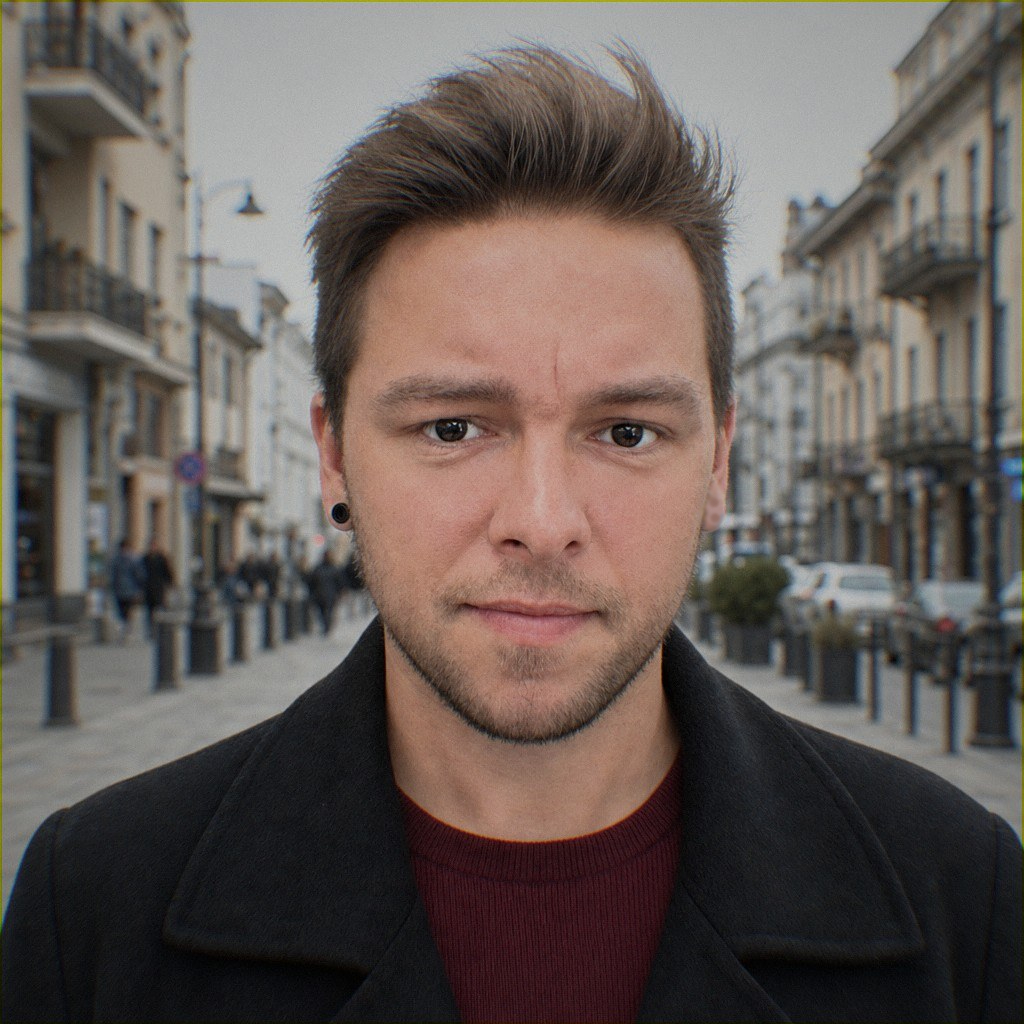
I built Dream Book after years of wanting a dream resource that was both psychologically rigorous and actually readable. I have a background in product and technology, and I spend a lot of time studying how sleep science, depth psychology, and cultural symbolism overlap. Every interpretation on this site goes through my editorial review before it is published.
How we research & write dream meanings
We start from primary sources — Jung, Freud, and the cultural traditions a symbol comes from. From that research a first draft is written with AI assistance, and then every entry is reviewed and fact-checked by a human editor, Philipp Gross Kochnov. We update meanings over time as we learn more, and we'd rather say "this varies" than pretend at false certainty.
These interpretations are for self-reflection and educational purposes, not medical or psychological advice.
How we build these texts
Each dream symbol starts with research: primary sources from Jung, Freud, Hall, and ethnographic studies of cultural dream traditions. We map the core psychological themes the symbol activates, its cross-cultural variants, and how it typically presents in different emotional contexts.
That research is then drafted into an interpretation — a synthesis of the evidence, not a recycling of generic symbolism lists you find everywhere else. The first draft is produced with AI assistance, which lets us cover the breadth of the dictionary efficiently. Every draft is then human-reviewed: we fact-check the source claims, cut anything speculative or vague, and rewrite for clarity and honesty.
We update articles when new research becomes available or when reader feedback surfaces gaps. The published date on each article reflects the most recent editorial pass.
Sources we draw on
- Depth psychology Carl Jung's collected works (archetypes, collective unconscious, individuation); Sigmund Freud's The Interpretation of Dreams; Calvin S. Hall's content analysis approach to dream categorization.
- Cultural & mythological traditions Ancient Egyptian and Mesopotamian dream texts; Greek oneirology (Artemidorus' Oneirocritica); Indigenous and non-Western dream traditions as documented by anthropologists.
- Sleep & neuroscience research Peer-reviewed studies on REM sleep, threat simulation theory (Revonsuo), and the continuity hypothesis of dreaming.
Get in touch
Follow Dream Book on social media or reach out through our channels.