
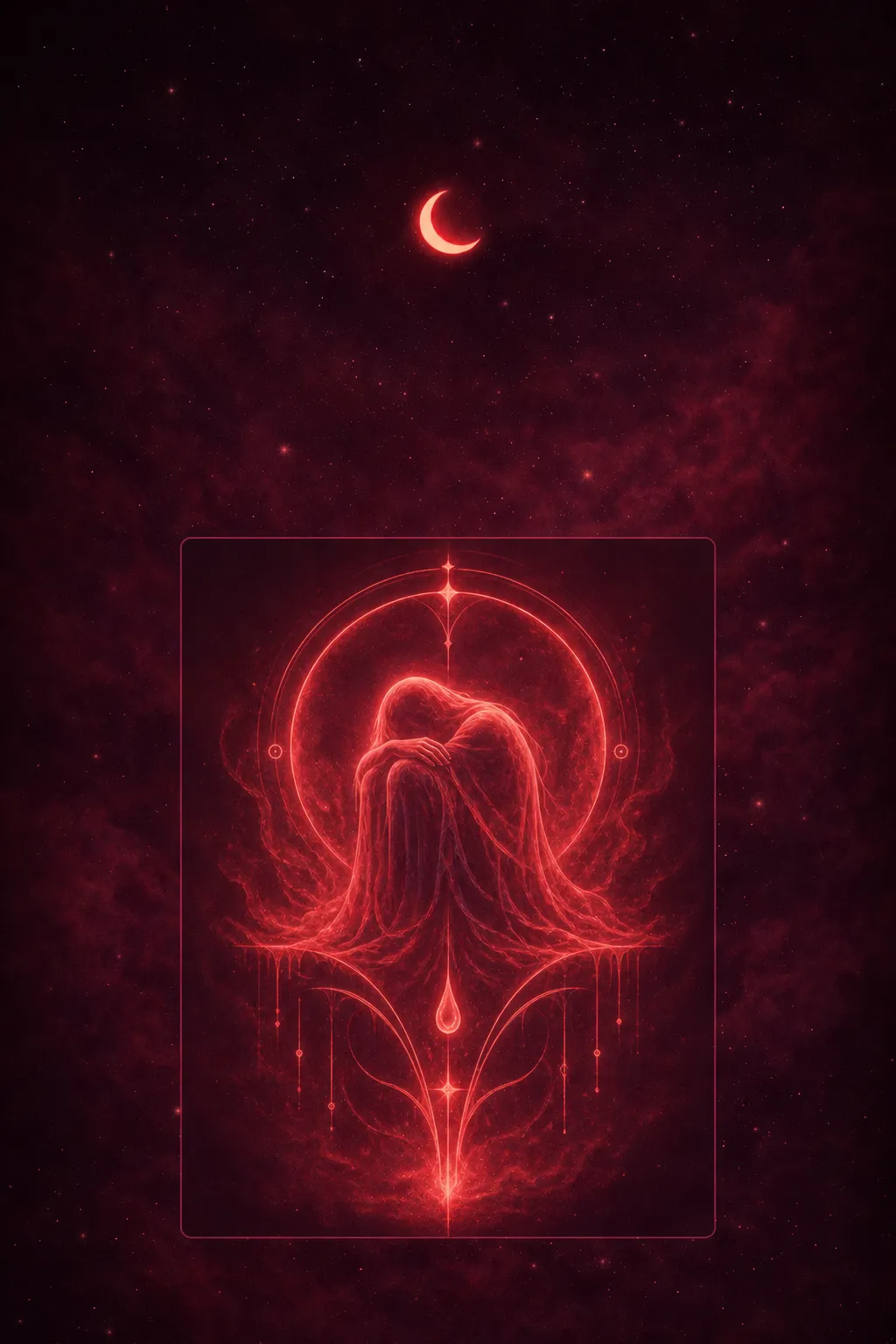

Grief dreams often symbolize unresolved emotions and the healing process. They can provide insights into your feelings about loss and help you navigate your grief.
In under a minute you could read what your exact dream means for you, and see a picture of it. Free.
Bad dream? See exactly what you dreamed — turned into a picture.
Just describe it and Dream Book paints your dream as a real image, plus a reading of what it means for you. Free, and it takes under a minute.


Common Grief Dream Scenarios
Dreaming of a Funeral
Imagine walking into a dimly lit room filled with mourners, their faces a mix of sorrow and remembrance. Dreaming of a funeral often signifies a deep-seated need to process feelings of loss, whether related to a loved one or something symbolic in your life. It’s a moment where your subconscious encourages you to confront and acknowledge your grief. Sometimes, these dreams can also serve as a reminder of unresolved emotions. If you find yourself attending a funeral for someone who isn’t deceased, it might symbolize letting go of aspects of your life that no longer serve you. If this resonates, consider exploring the connections between your dreams and your waking feelings of grief or loss, perhaps through dreams of deceased loved ones or even crying dreams.A bad dream isn't a bad sign.
Crying in a Dream
Picture yourself weeping, tears streaming down your face as you wrestle with feelings of abandonment or loneliness. Crying in dreams often reflects an emotional release, a necessary outlet for grief that you might be suppressing during your waking hours. It’s your mind's way of saying, “It’s okay to feel,” nudging you to confront emotions that linger beneath the surface. This type of dream can also highlight feelings of helplessness or a desire for connection. When you wake up from such dreams, take a moment to reflect on what you were crying about. Are there unresolved issues that need to be addressed? Perhaps these feelings are tied to conversations with the dead or past relationships like an ex-partner that still haunt your memory.But what does your version mean?
Talking to the Dead
Imagine sitting across from someone you’ve lost, sharing stories, laughter, and tears. Dreams where you talk to the dead often symbolize a longing for closure or answers. Your subconscious may be processing unfinished business or unresolved feelings about the relationship, offering you a chance to say what you never could. These dreams can be comforting, too, acting as a bridge between the past and your current emotional landscape. They remind you that love transcends death, and the bonds you share remain. If this resonates, you might want to explore your feelings surrounding loss and how they connect to other dreams, like hugging a dead person or witnessing a funeral.Was yours a sign? Find out.
Encountering a Deceased Loved One
Visualize walking into a familiar space and finding a beloved family member or friend who has passed away. This powerful imagery often indicates that you are in need of guidance or reassurance from that person. Such dreams can bring comfort, reminding you that their influence still lingers in your life. These encounters can also point to unresolved feelings of regret or guilt. Perhaps you wish you had said or done something differently. Reflecting on these dreams can lead to healing, helping you process your grief. You may want to explore related dreams like dreams of dead relatives or the emotional weight of crying dreams.What this dream could look like
Tap an image to open it full screen
Example images. Only you can see what you write in Dream Book.
Psychological Interpretation
Freud believed that dreams are the royal road to the unconscious, often embodying our repressed desires and unresolved conflicts. Grief dreams can be rich in symbolism, reflecting not just the pain of loss but also the wish for emotional healing. For instance, he might interpret dreaming of a deceased loved one as a manifestation of unresolved feelings or unexpressed love. Carl Jung took this further by suggesting that these dreams tap into the collective unconscious, where archetypes and symbols reside. The dead can represent aspects of your own psyche that need acknowledgment or integration. The process of individuation — becoming aware of and reconciling these parts — often unfolds in the dream state, inviting you to confront your Shadow Self. Calvin Hall’s extensive content analysis of over 50,000 dreams revealed that recurring themes often reflect personal concerns and emotional states. He found that dreams about loss frequently indicate emotional turmoil that needs addressing. This aligns with Ernest Hartmann’s emotional processing theory, which posits that dreams serve as a form of therapy, helping you navigate complex feelings and memories associated with grief. Hobson and McCarley proposed the activation-synthesis hypothesis, suggesting that dreams arise from random neural firings in the brain. While this theory emphasizes the randomness of dreams, it also points to the brain’s effort to make sense of emotional experiences, including grief. A dream about a loved one may not just be a random image; it’s your mind’s attempt to process and heal.General meanings end here. Read your own dream.
0%
Analyzing your dream…
Something went wrong. Please try again in a moment.
Your dreams deserve more than a dictionary
Cultural & Spiritual Meaning
In Western cultures, dreams of grief often symbolize a need for closure and emotional processing. They can reflect societal norms around mourning, where expressing sorrow is a vital part of healing. In contrast, Eastern philosophies might interpret these dreams as a call to honor the deceased, encouraging rituals that connect the living with the spirit world. Ibn Sirin, the renowned 8th-century Islamic dream interpreter, viewed dreams of the dead as significant. He believed that seeing a deceased loved one in a dream could symbolize their condition in the afterlife or convey messages about your own journey. Such dreams might serve as gentle reminders to reflect on your relationship and resolve any lingering feelings. Indigenous perspectives often celebrate the dream state as a sacred space where the living and the dead can communicate. Dreams are seen as a way to honor ancestors, seek guidance, and heal through shared wisdom. This rich tapestry of meanings underscores the universal nature of grief, inviting you to explore your own cultural understanding of loss and healing.Related Dream Meanings
nightmares
Deceased Loved One Dream: Closure, Messages & Grief
5 min read
nightmares
Crying Dream Meaning: Emotional Release & Hidden Stress
5 min read
nightmares
Talking to Dead: Meaning and Interpretation
6 min read
people
Dreaming About Dead Ex Meaning: What It Reveals About You
5 min read
nightmares
Hugging a Dead Person: Meaning & Interpretation
5 min read
nightmares
Funeral Dream Meaning: End, Loss & New Beginnings
5 min read
nightmares
Dead Relative: Meaning and Interpretation
5 min read
nightmares
Haunting Dream Meaning: Guilt, the Past & Unresolved Fear
5 min read
What to Do After This Dream
If you’ve experienced a grief dream, it’s essential to take a moment to reflect on its impact. Journaling about your feelings can help you process the emotions that surface. Allow yourself to explore what this dream means for your current life. If this dream keeps returning, it's worth exploring with a personalized interpretation. Dream Book lets you describe your dream and ask follow-up questions to understand what your subconscious is really saying. Understanding your grief dream is the first step. The next is asking what it means for your life right now — that's where a personalized interpretation goes deeper than any dictionary.If it keeps coming back, the app helps you understand the pattern.
Log each recurring dream and the free app shows you what's underneath — calmly, over time. Free to start.
People Also Ask
Dreaming about a deceased loved one often symbolizes unresolved feelings or a need for closure. It can be a comforting reminder that the bond remains strong, inviting you to process your emotions.
Crying in dreams usually indicates a release of pent-up emotions. It can signify feelings of sadness, grief, or even relief, reflecting what you might be struggling to express during waking hours.
Grief dreams can serve as a therapeutic outlet, helping you process complex feelings associated with loss. They often encourage you to confront unresolved emotions, leading to a path of healing.
Cultural interpretations of grief dreams can vary widely, often reflecting societal attitudes towards mourning and loss. Many cultures see these dreams as significant connections to the deceased, offering insights or messages.
Curious what your dream would look like?