
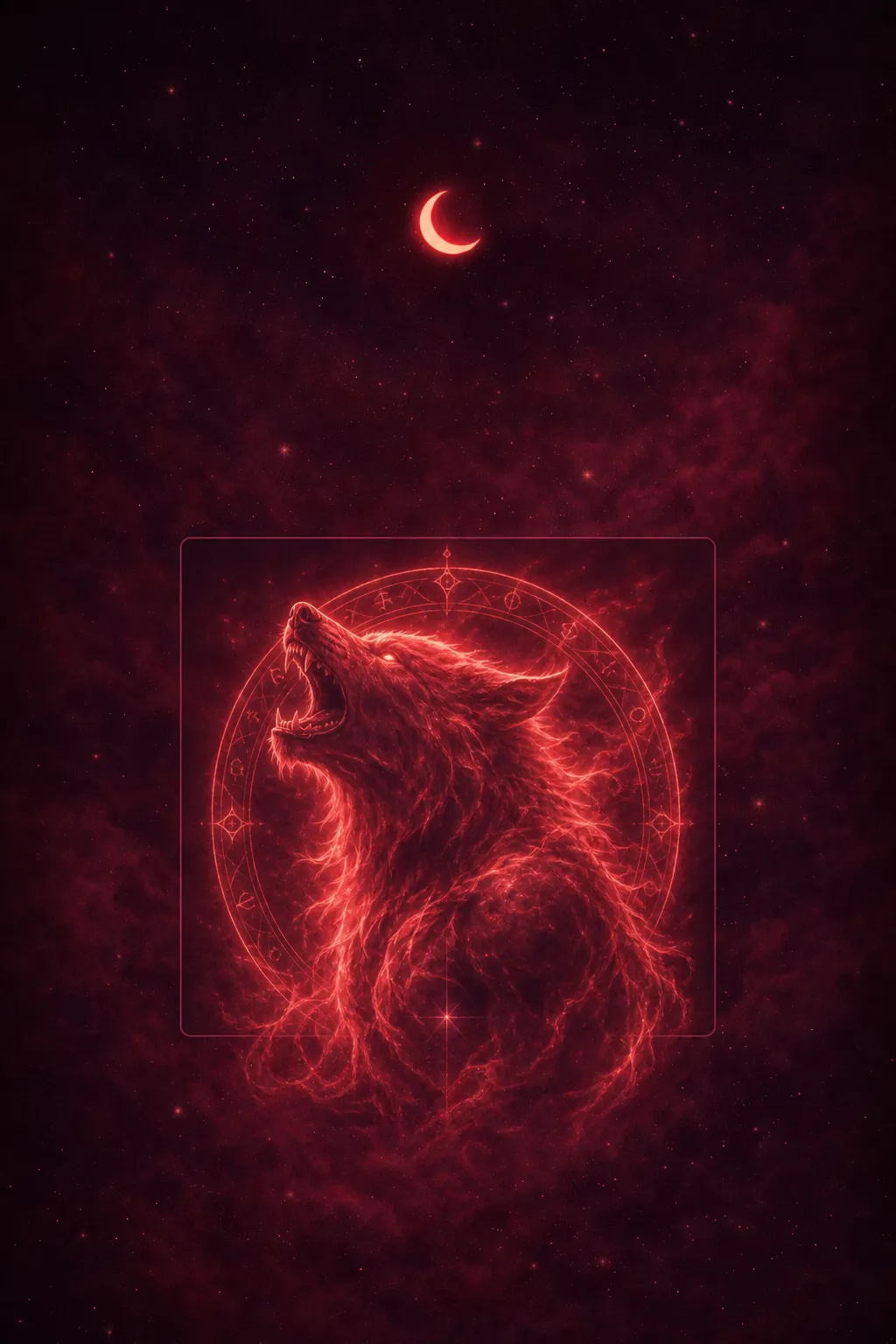

Dreaming about a werewolf typically means you are grappling with a hidden, uncontrolled side of yourself — raw anger, repressed desires, or fear of losing your temper — as the werewolf symbolizes the primal beast lurking beneath a civilized exterior, much like dreams about being chased, often surfacing when real-life stress or emotional conflict threatens to overwhelm your self-control.
In under a minute you could read what your exact dream means for you, and see a picture of it. Free.
A dream still on your mind? Get your personal reading.
Describe your dream in a line or two. In seconds you get a reading of your exact dream, a picture drawn from your own words, and every symbol explained.
Free. No sign-up. Takes 10 seconds. Your dream stays private.
0%
Analyzing your dream…
Something went wrong. Please try again in a moment.
Your dreams deserve more than a dictionary
Common Werewolf Dream Scenarios
The specific shape a werewolf dream takes shifts its meaning considerably. The most reported scenario — transforming into the werewolf yourself — typically signals that a suppressed impulse, whether rage, desire, or grief, is forcing its way past your usual self-control. Waking life stressors like burnout, conflict, or a deadline spiral can prime exactly this kind of dream. Closely related is being chased by a werewolf, where the threat feels relentless and inescapable; much like the broader dream of being pursued, this often means you are fleeing your own denied anger rather than any external enemy. If the werewolf bites or attacks you, the focus shifts to contamination anxiety — a fear that someone else's volatility, bad habits, or hostility is "catching," crossing a personal boundary you are struggling to hold.
- A familiar person revealed as a werewolf: points to distrust and betrayal anxiety — sensing a hidden, explosive side in someone you thought you knew well.
- Resisting or controlling the transformation: a more hopeful sign; you are actively working to integrate a difficult impulse rather than be overwhelmed by it — similar to the self-reckoning that appears in dreams of teeth falling out, where the body becomes a measure of inner control.
- Fighting off or killing the werewolf: signals confrontation with a feared part of yourself, though a clean kill can sometimes indicate over-suppression rather than true resolution.
- A pack of werewolves: reflects social pressure, mob mentality, or a group environment that feels predatory and impossible to resist alone.
A bad dream isn't a bad sign.
Across all variants, the emotional tone on waking matters most: dread typically points toward avoidance, while determination or even curiosity suggests the psyche is edging toward genuine self-knowledge and integration.
What this dream could look like
Tap an image to open it full screen
Example images. Only you can see what you write in Dream Book.
The Werewolf as Shadow Self: A Psychological Reading
In Jungian terms, the werewolf is one of the clearest dream embodiments of the Shadow — the storehouse of drives, anger, and desires that the waking mind refuses to claim. When the beast surfaces at night, the psyche is essentially serving notice: something disowned is gathering force. The split between the composed daytime person and the rampaging creature mirrors the tension most people carry between their social persona and the raw impulses beneath it. That gap, when it widens under sustained pressure, tends to generate exactly this kind of dream imagery.
Modern-anxiety readings add a telling detail — the full moon as trigger. Rather than pure superstition, the dream mind often maps the lunar cycle onto recurring, predictable stressors: the quarterly review, the recurring family argument, the monthly financial crunch. The moon becomes a clock for overwhelm, signaling that certain conditions will reliably strip away your coping strategies. Dreams featuring being chased share a similar logic — dread that is cyclical rather than random.
- Impulse control: Fear of "snapping" — losing your temper or acting on urges you normally keep in check.
- Involuntary identity change: The transformation you didn't choose echoes anxiety about illness, aging, or a new role reshaping who you are — not unlike the unsettling body-horror of teeth falling out in dreams.
- Guilt and dissociation: Waking with no memory of the beast's actions mirrors guilt over behavior that feels foreign to your self-image — "that wasn't really me."
But what does your version mean?
From a broadly Christian-informed perspective, the werewolf dream can also surface when someone feels they have acted against their own moral code, giving the shadow a face that feels genuinely monstrous rather than merely inconvenient. Across all these readings, the constructive thread is the same: the dream is not a verdict but an invitation to recognize, and ultimately integrate, the parts of yourself that daylight keeps hidden.
Every dream you log starts to connect.
Dream Book keeps your dreams in one place and reveals the threads between them over time — your private dream journal. Free to start.


Werewolf Dreams in Folklore and Popular Culture
Long before cinema made the werewolf a box-office staple, European folk tradition treated lycanthropy as a genuine spiritual hazard — a curse, a pact with dark forces, or divine punishment for moral transgression. In Anglo and broader Western folklore, the beast is inseparable from the full moon, a symbol of cyclical forces that override human will. That lunar link gave the myth a built-in anxiety engine: transformation arrives on a schedule you cannot negotiate, mirroring the way modern stress — a looming deadline, a recurring conflict — can make you feel ambushed by your own reactions.
Anglo-American lycanthropy mythology has historically coded the werewolf as uncontrolled masculine rage and taboo desire, a creature that exposes what polite society demands stay hidden. From a broadly Christian folk perspective, the beast represents the fallen nature of humanity — the part of the self that discipline and conscience are supposed to hold in check. That moral framing still quietly shapes how many dreamers emotionally register a werewolf dream: as shame, guilt, or the fear of being truly "seen" in an unguarded moment. It is worth noting that dreams of being chased by a threatening figure follow a very similar emotional arc, suggesting the same cultural script of fleeing an unacceptable impulse.
- Media saturation: Decades of horror films and TV mean most people's werewolf imagery is culturally inherited rather than personally generated, which can amplify the dream's threat level beyond what the underlying feeling warrants.
- "Unleash the beast" idiom: Everyday language already uses the werewolf as shorthand for suppressed energy, making the figure a culturally ready-made symbol for the parts of yourself you work hard to manage.
- Cyclical stress pattern: Folk tradition's lunar trigger maps neatly onto modern recurring pressures — monthly performance reviews, relationship cycles — reinforcing the dream's warning about unaddressed patterns.
The Werewolf Dream Through a Spiritual Lens
From a Christian perspective, the werewolf's violent transformation maps closely onto the tension Paul describes in Galatians 5:17 — the flesh warring against the spirit — and the raw confession of Romans 7:15–19, where a person does the very thing they hate. Dreaming of becoming the beast can function as a kind of nocturnal self-examination: a prompt to ask which appetites, resentments, or hidden impulses are pulling against your better intentions. Far from a curse to fear, many believers interpret this dream as a spiritual nudge toward accountability and renewal — not unlike the unsettling jolt that dreams of losing teeth deliver when the psyche senses a loss of personal power.
Was yours a sign? Find out.
The predatory image also echoes Matthew 7:15 and its warning about wolves in sheep's clothing. Here the dream may not be about your own inner conflict at all — it may be raising a quiet alarm about someone in your circle whose motives feel masked or whose influence feels destabilizing. In seasons of high stress and low trust, the subconscious readily borrows this biblical archetype to flag a threat the waking mind has not yet named.
- Call to self-examination: the transformation invites honest reflection on the carnal or reactive impulses you may be suppressing.
- Spiritual warfare frame: the beast can represent an external corrupting influence rather than solely an internal one.
- Path toward integration: spiritually, taming the wolf — rather than denying it — mirrors the work of sanctification and confronting what pursues you rather than fleeing it.
Related Dream Meanings
nightmares
Being Chased Dream Meaning: Anxiety & Avoidance
5 min read
body health
Teeth Falling Out Dream: Anxiety, Loss & Vulnerability
5 min read
common dreams
What Does It Mean to Dream About the Moon
5 min read
nightmares
Losing Your Mind Dream: Overwhelm, Fear & Exhaustion
6 min read
nightmares
Dark Entity Dream Meaning: Fear, Shadow & Hidden Self
6 min read
nightmares
What Does It Mean When Something Is Under Your Bed in a Dream
5 min read
nightmares
Dead Dog Dream Meaning: Loss, Loyalty & Change
6 min read
nightmares
Being Unable to Move: Meaning and Interpretation
5 min read
Turning the Werewolf Dream into Actionable Self-Awareness
Because the werewolf dream is so tightly linked to suppressed impulse and loss of control, the most useful first step is identifying what you are holding down in waking life. Treat the dream as a pressure gauge, not a verdict. If you have been running from a difficult feeling — anger at a colleague, resentment at home, a grief you have not given space — the dream is signaling that the pressure has built to a critical point and needs a conscious outlet before it finds one on its own. This kind of cyclical, mounting tension mirrors what dreams of losing teeth also tend to surface: a body-level alarm that something in daily life is slipping beyond comfortable management.
- Name the trigger. Note the day's events before bed. Cyclical patterns (recurring stress deadlines, relationship friction) often align with recurring werewolf dreams. Tracking this in a simple journal breaks the loop.
- Create a controlled release. Vigorous exercise, honest conversation, or writing out raw, uncensored thoughts gives the instinct somewhere legitimate to go, reducing the psyche's need to dramatize it at night.
- Check your control habits. If you pride yourself on always being calm or composed, ask whether that standard is realistic. Sustainable self-regulation looks like flexibility, not suppression.
- Seek support if the dream recurs. A therapist or trusted counselor can help you work through persistent rage, shame, or anxiety that dreamwork alone cannot fully resolve.
A bad dream isn't a bad sign.
The werewolf does not have to remain a source of dread. Treated as a messenger rather than a monster, it hands you a clear directive: find the hidden pressure, name it honestly, and give it a constructive path forward.
If it keeps coming back, the app helps you understand the pattern.
Log each recurring dream and the free app shows you what's underneath — calmly, over time. Free to start.
People Also Ask
Dreaming about a werewolf often reflects a fear of losing control over your emotions or darker impulses. It can symbolize a hidden side of your personality you struggle to accept. The werewolf represents transformation, primal instincts, and the tension between your civilized self and raw, untamed feelings lurking beneath the surface.
Being chased by a werewolf suggests you are running away from a powerful emotion, an aggressive person, or an aspect of yourself you find threatening. Much like dreams about being chased, it may indicate anxiety about confronting something difficult in waking life. Facing the werewolf in the dream often points toward the need to address that fear head-on.
Dreaming that you transform into a werewolf typically signals a personal transformation or a fear of losing your temper and acting in ways you later regret. It can reflect feelings of guilt, shame, or suppressed rage. This dream encourages you to acknowledge and channel intense emotions constructively rather than letting them overwhelm you.
Not necessarily. While werewolf dreams can feel frightening, they rarely predict actual misfortune. Instead, they serve as psychological signals that unresolved conflicts, repressed emotions, or major life changes need your attention. Treating the dream as an invitation to explore your inner world is far more useful than viewing it as a negative sign.
Curious what your dream would look like?