
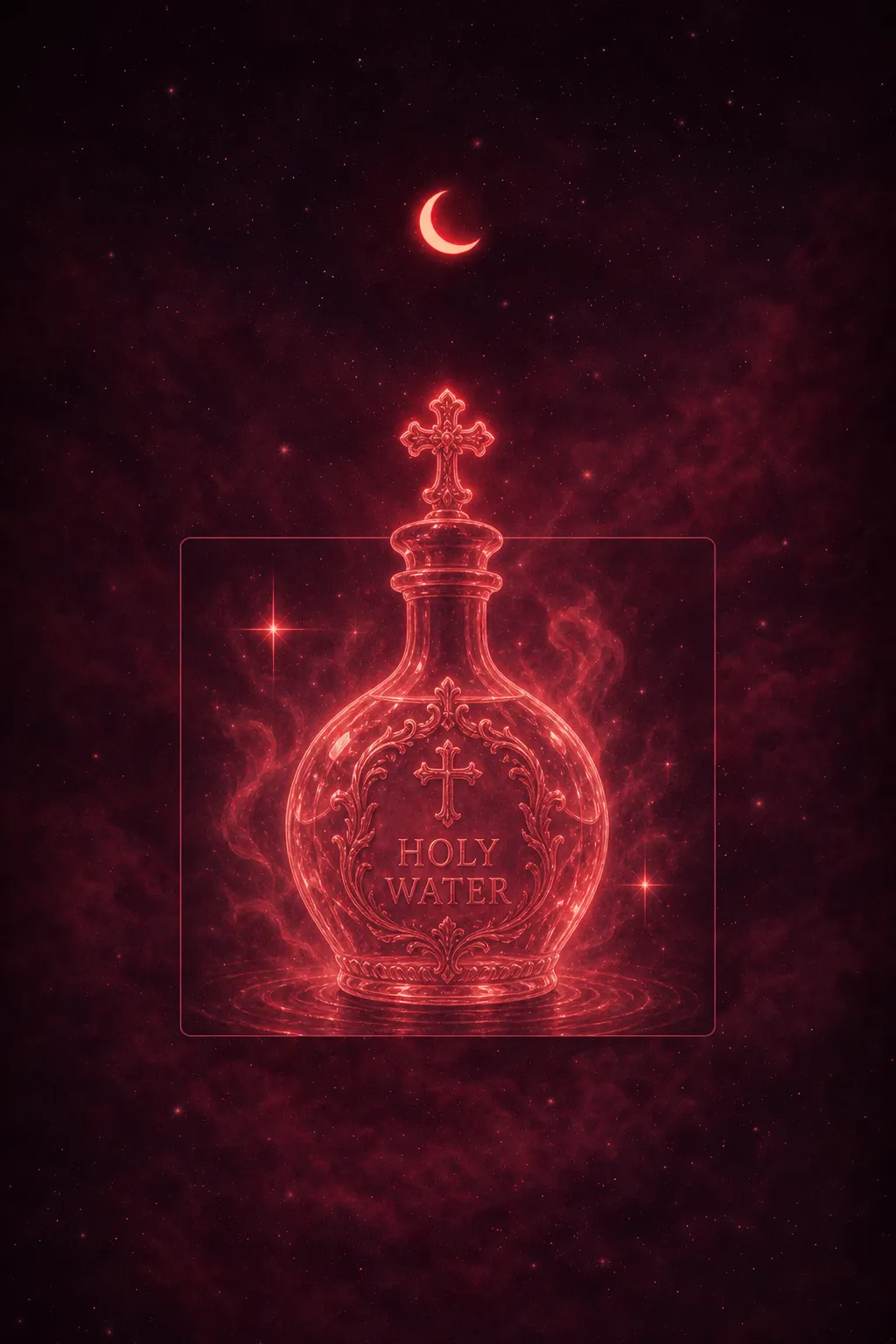

Dreaming of holy water usually symbolizes a deep desire for purification, spiritual protection, or emotional cleansing. It can reflect a need to release guilt, seek forgiveness, or reconnect with your spiritual beliefs. This symbol often appears when you are navigating a significant moral or personal crossroads in waking life.
In under a minute you could read what your exact dream means for you, and see a picture of it. Free.
A dream still on your mind? Get your personal reading.
Describe your dream in a line or two. In seconds you get a reading of your exact dream, a picture drawn from your own words, and every symbol explained.
Free. No sign-up. Takes 10 seconds. Your dream stays private.
0%
Analyzing your dream…
Something went wrong. Please try again in a moment.
Your dreams deserve more than a dictionary
Common Holy Water Dream Scenarios
Being Sprinkled or Blessed with Holy Water
When someone pours or sprinkles holy water over you in a dream, you're receiving something — permission, release, absolution. This is one of the most emotionally charged versions of the dream, and it almost always arrives during periods of transition: ending a relationship, leaving a job, stepping away from something that no longer serves you.
There's a reason this scenario often follows dreams about being inside a church or standing at a threshold. The blessing isn't just symbolic — your dreaming mind is staging a ritual because your waking mind hasn't found one. You need a formal ending, and your subconscious is providing it.
But what does your version mean?
Drinking Holy Water
Drinking holy water in a dream is intimate in a way that being sprinkled isn't. You're not just being touched by purification — you're taking it inside. This often points to a hunger for inner transformation, a desire to be changed at the root rather than just on the surface.
If the water tastes clean and cool, the dream is reassuring you. If it tastes wrong — bitter, stale, or wrong in some way you can't name — pay attention. Your subconscious may be signaling that whatever "healing" you're seeking in waking life isn't what it appears to be. Think of it as your gut speaking in sacramental language. This scenario also connects to broader water dreams and their associations with emotional depth and the unconscious.
Holy Water Burning or Harming You
This one unsettles people, and understandably so. If holy water burns your skin or causes pain in the dream, the instinct is to read it as dark — but the more accurate reading is usually about shame. Something inside you believes it is beyond cleansing, unworthy of grace. That belief is worth examining carefully.
Jung would recognize this immediately as Shadow material — the parts of yourself you've buried so deeply that even the symbol of healing feels like an attack. If you've been having dreams about demons or evil spirits alongside this one, the theme of internal conflict is almost certainly at the center of what your psyche is working through.
Spilling or Losing Holy Water
Watching holy water spill from your hands — or finding the bottle empty when you need it most — speaks to a fear of losing protection. Something in your life that once felt sacred or safe now feels precarious. This might be a relationship, a belief system, or your own sense of moral clarity.
The loss doesn't have to be spiritual in the religious sense. Many people who aren't religious at all dream of holy water when they feel their sense of integrity slipping. The dream uses the language of the sacred because that's the only language strong enough to describe what it feels like to lose your inner compass. It shares emotional territory with dreams about baptism — both involve the terror and hope of transformation.
What this dream could look like
Tap an image to open it full screen
Example images. Only you can see what you write in Dream Book.
Psychological Interpretation
Freud would have been fascinated by holy water dreams, and not entirely for spiritual reasons. For Freud, water in dreams was always tied to birth, the womb, and the unconscious — the pre-verbal place we came from. Holy water adds a layer of moral authority to that primal image. He'd likely read it as a wish-fulfillment dream: you want to be absolved of something, probably something you haven't consciously admitted to yourself yet. The ritualized nature of the symbol suggests the guilt runs deeper than ordinary regret.
Jung took a different angle. For him, water was the unconscious itself — vast, deep, and both nourishing and dangerous. Holy water, specifically, would represent an attempt to bring the unconscious under the authority of the Self, the integrated psyche. It's the dreamer reaching toward individuation: the lifelong process of becoming whole. If you've been dreaming about shadow figures or faceless presences, a holy water dream appearing alongside them is a meaningful signal — your psyche may be moving toward integration rather than away from it.
Was yours a sign? Find out.
Calvin Hall's content analysis of over 50,000 dream reports found that dreams involving ritualized actions — and holy water is nothing if not ritualized — consistently appear during periods of social anxiety and moral conflict. Hall's data showed these dreams are more common during life transitions, particularly ones that involve a rupture in how we see ourselves. Ernest Hartmann's emotional memory processing theory adds another layer: he argued that dreams exist to help us metabolize intense emotion by wrapping it in narrative and symbol. Holy water is the perfect container for that function — it holds the feeling of needing to be made clean without requiring the dreamer to name exactly what the contamination is.
Hobson and McCarley's activation-synthesis model would remind us that the brain doesn't invent these symbols from nowhere — it pulls from stored emotional memory and cultural imprinting. If holy water was part of your upbringing, your brain has filed it under "powerful, transformative, morally significant." When the neural firing that generates a dream reaches for a symbol to attach to feelings of guilt, shame, or longing for renewal, holy water is already in the archive, waiting.
Every dream you log starts to connect.
Dream Book keeps your dreams in one place and reveals the threads between them over time — your private dream journal. Free to start.


Cultural & Spiritual Meaning
In Western Christian tradition, holy water is the boundary between the profane and the sacred — used in baptism, in blessing homes, in protection against evil. Dreaming of it draws on centuries of collective meaning. It isn't just personal; it's archetypal. The blessing it carries in dreams often reflects what the dreamer most needs: permission to start over, or protection from something they feel is closing in.
Ibn Sirin, the 8th-century Islamic dream interpreter whose work remains one of the most comprehensive dream texts in existence, wrote extensively about water as a symbol of knowledge, life, and divine mercy. For Ibn Sirin, dreaming of pure, clean water — especially in a sacred context — was among the most auspicious signs a dreamer could receive. It pointed to spiritual clarity, answered prayers, and the lifting of burdens. Murky or stagnant sacred water, however, warned of confusion in matters of faith or a spiritual path that had gone astray.
A bad dream isn't a bad sign.
Across many Indigenous and Eastern traditions, water blessed by ritual intention carries the energy of the community and the ancestors who performed those rituals. In this context, a holy water dream might not be about individual guilt at all — it might be about reconnecting to lineage, to something larger than the self. If you've been having dreams about ancestors or deceased loved ones, the holy water appearing in your dreamscape may be a bridge between the living and those who came before.
Related Dream Meanings

people
Church Dream Meaning: Spirituality, Guidance & Belief
5 min read
common dreams
Water Dream Meaning: Emotions, Intuition & Growth
5 min read
nightmares
Demons Dream Meaning: Fears, Conflicts & Hidden Struggles
5 min read
nightmares
Evil Spirit Dream Meaning: Fear, Inner Conflict & Shadow
6 min read
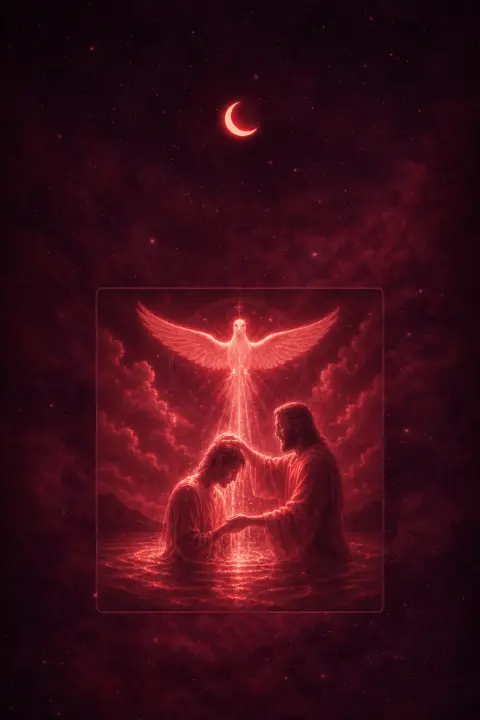
common dreams
Baptism Dream Meaning: Renewal, Guilt & New Beginnings
5 min read
nightmares
Shadow Person in Dreams: What It Means When You See Them
5 min read
common dreams
What Does It Mean to Dream About Blessings
6 min read
nightmares
Ancestors Dream Meaning: Heritage, Guidance & Roots
5 min read
What to Do After This Dream
Start by sitting with the emotional texture of the dream before you analyze it. Did the holy water bring relief, or did it feel threatening? Did you receive it willingly, or were you forced into contact with it? The feeling matters more than the action.
If the dream carried a sense of shame or unworthiness, that's worth taking seriously — not as a verdict, but as information. Your subconscious is pointing at something that needs acknowledgment. Journaling specifically about what you feel "unclean" about in your waking life can be surprisingly clarifying, even if the answer surprises you.
If the dream was peaceful or joyful, treat it as confirmation. Something is healing. You may not see it clearly yet in your daily life, but your dreaming mind is registering a shift. Let that be real.
If this dream keeps returning — especially if it changes slightly each time — it's worth exploring with a personalized interpretation. Dream Book lets you describe your dream in detail and ask follow-up questions to understand what your subconscious is actually working through, beyond what any general dictionary can offer.
But what does your version mean?
Understanding your holy water dream is the first step. The next is asking what it means for your life right now — that's where a personalized interpretation goes deeper than any dictionary.
One dream is never the whole picture.
The free app remembers your dreams, draws them, and connects the threads over time — so the next one means even more. Free to start.
People Also Ask
Dreaming of holy water burning your skin usually reflects deep-seated shame or a belief that you are beyond forgiveness or healing. It's not a sign that something is spiritually wrong with you — it's your subconscious surfacing a wound that needs attention. Jung would call this Shadow material: the parts of yourself you've buried that react with pain when confronted with symbols of grace.
In most cases, yes. Holy water in dreams is strongly associated with purification, protection, and the desire for renewal. Ibn Sirin considered pure, sacred water in dreams one of the most auspicious symbols a person could encounter. The exception is when the water feels wrong, corrupted, or harmful — which usually signals internal conflict rather than an external warning.
Holy water is a deeply embedded cultural symbol that carries meaning beyond formal religion. Your brain stores it as a powerful image associated with cleansing, protection, and moral transformation. Hobson and McCarley's activation-synthesis research explains that the brain reaches for culturally loaded symbols when processing intense emotions — you don't need to be religious for the symbol to carry weight.
Drinking holy water in a dream suggests a desire for internal transformation — not just surface-level change, but something that alters you at the core. It often appears when you're in a period of deep personal reckoning or spiritual hunger. If the water tastes clean, the dream is reassuring; if it tastes wrong, your subconscious may be questioning whether the healing path you're on is genuine.
Curious what your dream would look like?