
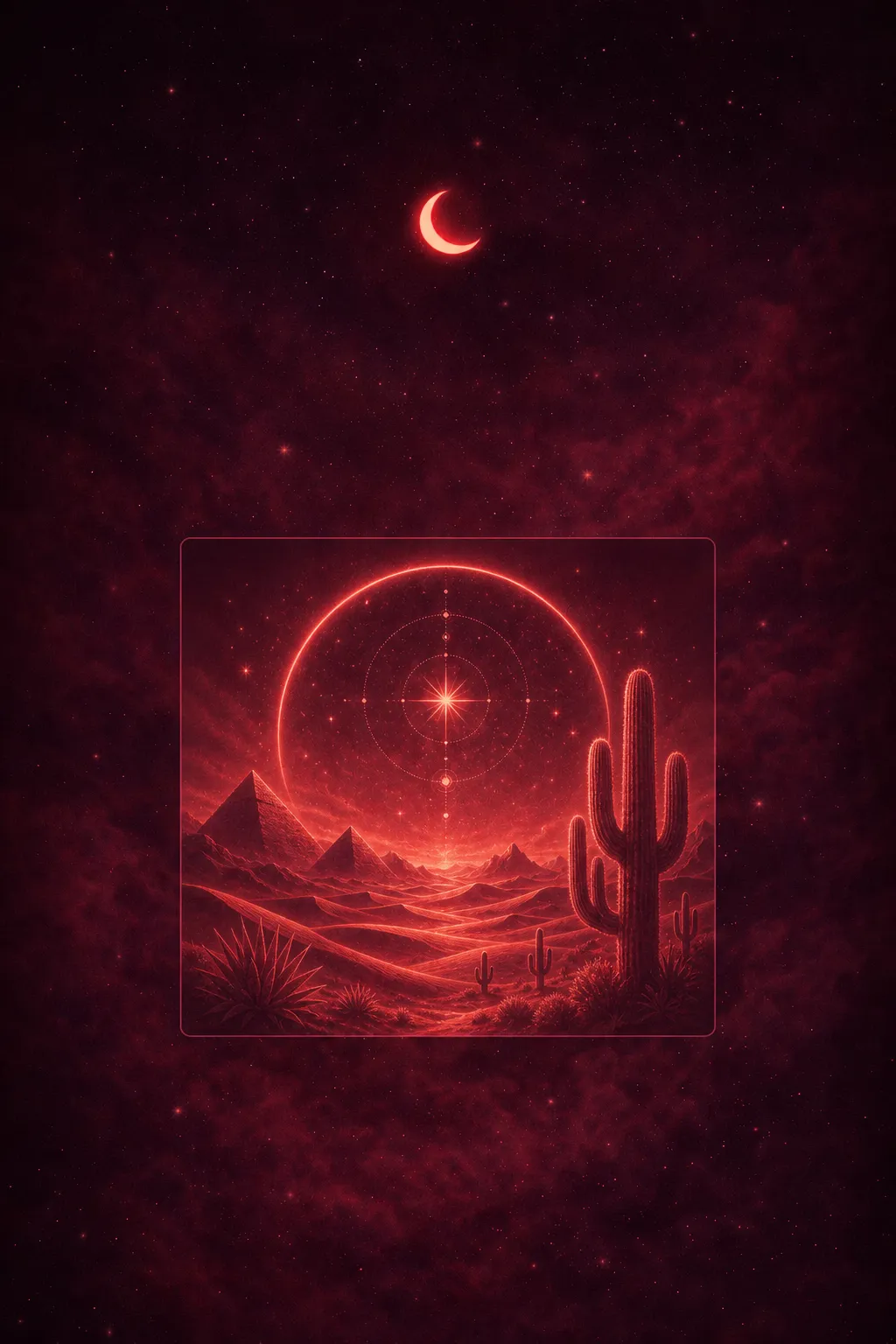

Desert dreams often symbolize feelings of isolation, desolation, or a quest for clarity. They can reflect your emotional state and personal journey.
In under a minute you could read what your exact dream means for you, and see a picture of it. Free.
You read what it can mean. But what did yours mean?
General meanings stop here. In the free app, tell Dream Book your exact dream and get a reading that actually makes sense for you.


Common Desert Dream Scenarios
Dreaming of Thirst in the Desert
Imagine wandering through an endless expanse of sand, your throat parched and your lips cracked. This dream often symbolizes feelings of lack or longing in your waking life. You might be yearning for emotional sustenance or connection — a longing that seems just out of reach. If you’ve been feeling isolated, this dream is your soul’s way of whispering that it needs nurturing. You could also find yourself searching for water in this vast arid landscape. Water often represents healing and clarity. If you encounter a mirage, it might reflect unfulfilled desires or false hopes, perhaps connected to something or someone you’ve been chasing. If this resonates, check out your feelings surrounding that chase; it’s worth examining your emotional landscape.But what does your version mean?
Being Lost in a Desert
Picture yourself standing in a desolate desert, unsure of which direction to take. This dream can evoke intense feelings of confusion or anxiety. It often points to moments in your life when you feel directionless or overwhelmed by choices. The vastness of the desert mirrors the emotional distance you may feel from others or even from yourself. If you’re running but can’t seem to move forward, it might reflect deeper fears of being trapped in a situation. Reflect on areas of your life where you feel stagnant. Are you avoiding something important, perhaps a decision that needs to be made? If you’ve been struggling with these feelings, consider exploring them with falling dreams or being lost dreams.Was yours a sign? Find out.
Encountering Creatures in the Desert
Dreaming of snakes in the desert can be particularly potent. Freud saw the snake as a symbol of desire and repressed feelings, while Jung suggested it represents our Shadow Self — the parts we often ignore. If you find yourself face-to-face with a snake, it might symbolize confronting hidden fears or desires that need addressing. Other creatures, like scorpions or even dogs, might also appear in your dreams. Each carries its own significance. For instance, scorpions could represent hidden threats or feelings of betrayal, while dogs might signify loyalty or companionship that feels lost. If you’re interested in exploring these dynamics, look into dreams about snakes or dogs in dreams for further insight.A bad dream isn't a bad sign.
Desert Landscapes and Their Colors
The colors of the desert in your dream can also carry weight. A vibrant sunset might evoke feelings of hope and transformation, while a dull, gray landscape could reflect stagnation or despair. Color often plays a vital role in our emotional state and can be a direct reflection of how you perceive your life circumstances. If you see lush, green plants breaking through the sand, it could symbolize new growth or potential emerging from a barren situation. Consider how these images align with your current life challenges. Exploring dreams that feature water or the ocean could provide further context for your emotional state.What this dream could look like
Tap an image to open it full screen
Example images. Only you can see what you write in Dream Book.
Psychological Interpretation
Freud viewed dreams as a window into our subconscious, where repressed desires often manifest. In the case of desert dreams, the arid landscape might symbolize emotional desolation or unfulfilled wishes. Perhaps you are suppressing feelings about a situation or relationship that leaves you feeling dry and barren. Carl Jung took this further, suggesting that these dreams may speak to your Shadow Self, the parts of yourself that remain unacknowledged. If you find yourself lost in the desert, it could indicate a need for individuation, a journey toward self-discovery. The desert acts as a backdrop for confronting these hidden aspects of yourself. Calvin Hall’s content analysis of dream reports suggests that environments like deserts frequently represent feelings of isolation or lack. His findings indicate that dreams reflect our waking experiences, which can be particularly poignant when we’re feeling disconnected or unfulfilled. If your desert dream leaves you feeling anxious or exposed, consider how these feelings correlate with your daily life. Ernest Hartmann’s theory of emotional processing posits that dreams help us work through our waking experiences. If you're grappling with loss or longing, your desert dream might be your mind’s way of processing these emotions. Similarly, Hobson & McCarley’s activation-synthesis hypothesis suggests that dreams are the brain’s attempt to weave meaning from random neural firings. In this light, your desert might be a canvas for your mind to paint the complexities of your emotional state, creating a narrative that reflects your inner turmoil.General meanings end here. Read your own dream.
Describe your dream in a line or two. In seconds you get a reading of your exact dream, a picture drawn from your own words, and every symbol explained.
Free. No sign-up. Takes 10 seconds. Your dream stays private.
0%
Analyzing your dream…
Something went wrong. Please try again in a moment.
Your dreams deserve more than a dictionary
Cultural & Spiritual Meaning
In Western cultures, deserts often symbolize desolation or a spiritual quest. They can represent a journey into the self, a space where you confront your vulnerabilities. The vastness and stillness of the desert can also evoke feelings of solitude, a necessary state for reflection and growth. Eastern interpretations, particularly in Buddhism, see deserts as a metaphor for the mind’s barrenness when filled with desires. The journey through the desert can lead to enlightenment, a shedding of attachments that leads to clarity. In this sense, your dream might signify a spiritual awakening or a call to let go of what no longer serves you. Ibn Sirin, a prominent Islamic dream interpreter, viewed dreams of desert landscapes as a sign of hardship or trials. However, he also noted that finding water or greenery in the desert could signify relief and hope after a period of struggle. This duality reflects the complexities of life, where challenges often lead to growth. Indigenous perspectives might see deserts as sacred spaces, places of transformation that hold wisdom and lessons from nature.Related Dream Meanings
people
Loneliness Dream Meaning: Isolation & Emotional Struggles
5 min read
common dreams
Water Dream Meaning: Emotions, Intuition & Growth
5 min read
nightmares
What Does It Mean to Dream About Being Trapped
6 min read
common dreams
Falling Dream Meaning: Insecurity, Fear & Loss of Control
5 min read
common dreams
Being Lost Dream Meaning: Confusion & Direction
5 min read
nightmares
What Does It Mean When You Feel Afraid in a Dream
5 min read
animals
Snakes Dream Meaning: Fear, Change & Hidden Threats
5 min read
animals
Dogs Dream Meaning: Loyalty, Protection & Friendship
5 min read
What to Do After This Dream
After dreaming of a desert, take a moment to reflect on your feelings and any current life challenges. If these dreams recur, consider journaling or meditating on what aspects of your life feel arid or disconnected. This can provide clarity on how to address these underlying emotions. Understanding your desert dream is the first step. The next is asking what it means for your life right now — that's where a personalized interpretation goes deeper than any dictionary. Tools like Dream Book can help you explore your dream more fully, revealing connections to your waking life that you might not have noticed. As you navigate this journey, remember that you have the power to transform your desert landscape into a fertile ground for growth and healing. Embrace the lessons and insights that come from these dreams and allow them to guide you toward a more fulfilling path.One dream is never the whole picture.
The free app remembers your dreams, draws them, and connects the threads over time — so the next one means even more. Free to start.
People Also Ask
Dreaming of a desert often symbolizes feelings of isolation, longing, or emotional barrenness. It can reflect a need for nourishment, whether that be emotional, spiritual, or relational.
Being lost in a desert may indicate confusion or feeling directionless in your waking life. It can suggest a need to confront fears or decisions that you’ve been avoiding.
Water in a desert dream typically represents healing, emotional sustenance, and clarity. Finding water can symbolize hope and relief after experiencing hardship.
To interpret your desert dreams more deeply, consider journaling about your feelings during the dream and how they relate to your waking life. Tools like Dream Book can help you explore these connections further.
Curious what your dream would look like?