
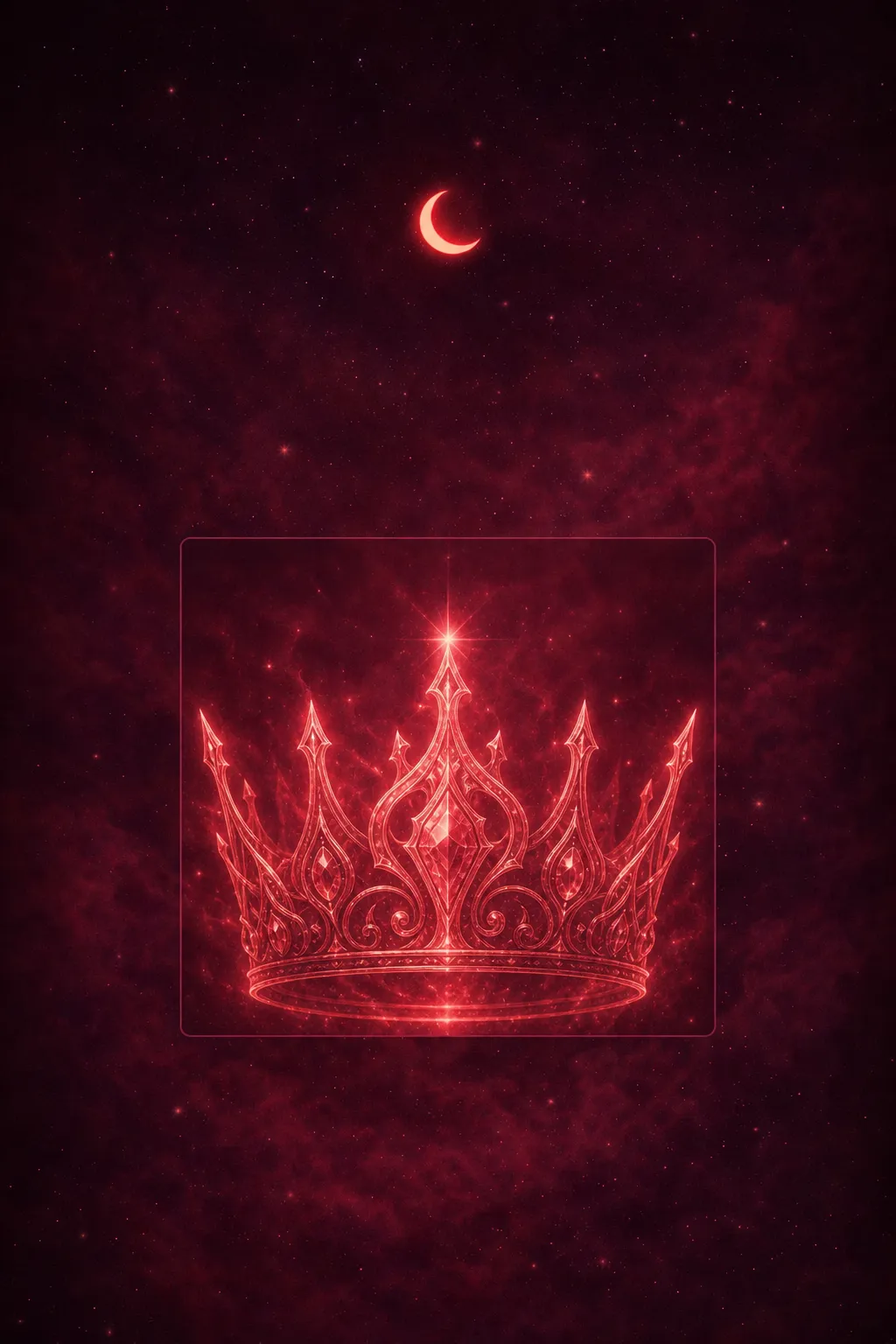

Dreaming of wearing a crown meaning points to a deep desire for recognition, authority, or self-mastery, as the crown symbolizes personal power and achievement, suggesting you may be stepping into a leadership role, craving validation from others, or finally embracing your own worth and confidence in waking life.
In under a minute you could read what your exact dream means for you, and see a picture of it. Free.
A dream still on your mind? Get your personal reading.
Describe your dream in a line or two. In seconds you get a reading of your exact dream, a picture drawn from your own words, and every symbol explained.
Free. No sign-up. Takes 10 seconds. Your dream stays private.
0%
Analyzing your dream…
Something went wrong. Please try again in a moment.
Your dreams deserve more than a dictionary
Common Crown Dream Scenarios and What They Mean
The scenario unfolding around a crown often carries as much weight as the crown itself. If you dream of wearing a crown, your mind is likely processing a real desire for recognition — or a recent win you haven't fully allowed yourself to claim. The emotional tone matters: wearing it with ease suggests earned confidence, while wearing it with unease points to imposter-syndrome anxiety about whether you truly deserve the status. A related scene, being crowned by someone else, shifts the focus to external validation — a promotion, a life transition, or a sense of being chosen that you may be hoping for or quietly dreading. Both scenarios sit on the same axis of self-worth and how much of your identity is tied to achievement.
- Crown falls off or breaks: A classic modern-anxiety image — fear of losing status, reputation, or control. It often surfaces during high-pressure periods at work or in relationships where expectations feel impossible to sustain, much like the unsettling free-fall of dreaming your teeth fall out.
- Crown feels too heavy or painful: A signal of burnout. The dream is naming what waking life may be suppressing — that a leadership role or responsibility has become genuinely overwhelming, and that sitting on a throne you didn't fully choose carries a real cost.
- Seeing a king or queen crowned: Reflects how you relate to authority figures — a boss, a parent, or even an idealized self. Awe suggests deference; intimidation suggests unresolved power dynamics.
- Stealing or taking a crown: Ambition outpacing your current standing, sometimes shadowed by guilt over competitive impulses you haven't openly acknowledged.
- Crown of thorns: Carries a strong Christian undertone of redemptive suffering — a sense that your current pain is purposeful, or a warning that self-sacrifice has tipped into martyrdom.
What this dream could look like
Tap an image to open it full screen
Example images. Only you can see what you write in Dream Book.
The Psychological Reading: Ego, Worth, and the Weight of Expectation
At its psychological core, dreaming of a crown externalizes your internal sense of self-worth. The unconscious mind reaches for this image when questions of status, recognition, or personal adequacy are pressing close to the surface — often triggered by a role transition such as a promotion, a new relationship, or parenthood, each of which demands an identity recalibration you may not yet feel ready to complete. Much like dreaming of a throne, the crown points squarely at your relationship with authority — only here, the authority in question is your own.
But what does your version mean?
Modern anxiety sharpens this symbol considerably. In a culture that rewards visible achievement, the dream crown can reflect chronic validation-seeking or a quiet fear of being overlooked. Imposter phenomenon is particularly common here: an ill-fitting or uncomfortably heavy crown maps onto the waking feeling of "I don't quite deserve this," surfacing precisely when outward success outpaces inner confidence. Losing the crown mid-dream, by contrast, tends to signal a felt loss of control — much as falling dreams so often do — the psyche processing stress around competence or change rather than predicting any real outcome.
- Ego and aspiration: the crown gives shape to ambitions or self-images you haven't consciously acknowledged yet.
- Control under pressure: wearing it steadily suggests a sense of mastery; struggling to keep it on points to stress and uncertainty.
- Compensation: dreaming of receiving a crown can compensate for feeling dismissed or undervalued in waking life.
- Identity shift: a newly placed crown often marks the mind working through a significant life transition and the responsibilities it brings.
Every dream you log starts to connect.
Dream Book keeps your dreams in one place and reveals the threads between them over time — your private dream journal. Free to start.


Cultural and Traditional Readings of the Crown
Across Western tradition, the crown has long served as a concrete shorthand for divinely sanctioned authority. In the biblical imagination it carries a double edge: earthly crowns signal glory and dominion, yet scripture repeatedly warns that worldly status is fleeting — a tension that still resonates in culturally Christian households where ambition and humility are expected to coexist uneasily. Folk belief in medieval Europe held that dreaming of receiving a crown foretold a sudden rise in fortune or rank, while dreaming of a crown slipping or falling was an ill omen of disgrace — much like the visceral alarm of dreams about falling, which folk traditions across cultures have long linked to lost footing and damaged reputation. Both readings survive in diluted form in modern popular dream lore, where the image is almost reflexively decoded as "success is coming" or "watch your reputation."
Was yours a sign? Find out.
What is striking is how neatly these old folk readings map onto contemporary anxieties. In a culture saturated with performance metrics, social media visibility, and the pressure to brand oneself as a high achiever, the crown has become a natural symbol of the validation many people are quietly chasing — and equally of the exposure that comes with it. Sitting on a throne wearing a crown may feel triumphant in waking fantasy, but in a dream it can surface the less comfortable question: do I actually deserve this, and can I hold it?
- Winning a crown — traditional folk belief reads this as imminent recognition; modern anxiety lens suggests a fear of being judged once visibility arrives.
- A tarnished or broken crown — historically an omen of fallen status; culturally today it often reflects burnout or the cost of maintaining a high-achieving identity.
- Someone else wearing your crown — a folk warning against rivals; in contemporary framing, a signal that control or credit feels threatened at work or in relationships.
The Spiritual Reading: Divine Honor and the Burden of Calling
In a Christian frame, a crown appearing in your dream carries a meaning that cuts against modern anxiety about achievement: true honor is granted, not seized. Scripture speaks of a "crown of life" promised to those who persevere through trial (James 1:12; Revelation 2:10) and a "crown of righteousness" awaiting those who finish their course faithfully (2 Timothy 4:8). If you are dreaming of a crown during a season of pressure or self-doubt, this tradition invites a reframe — worth is not something you have to win through relentless performance, but something already being prepared for you through steadfast character.
Yet the biblical imagination refuses to let the crown remain only triumphant. The crown of thorns placed on Christ in mockery (Matthew 27:29) transforms the symbol entirely: genuine authority can pass through humiliation and sacrifice. A dream in which a crown feels painful, ill-fitting, or forced may be touching this deeper vein — the call to lead or be responsible carries a cost, and spiritually that cost is not a sign of failure but of authenticity. Dreaming of a throne alongside a crown deepens this: sovereignty and service are inseparable in this reading.
A bad dream isn't a bad sign.
Taken together, these spiritual threads offer a corrective to the anxious need for control that often underlies crown dreams. The crown you are chasing in waking life may already belong to a version of you that stops striving long enough to receive it — much as dreams of falling can signal that releasing control, rather than tightening your grip, is the very move your inner life is asking for.
Related Dream Meanings

body health
Teeth Falling Out Dream: Anxiety, Loss & Vulnerability
5 min read
people
Throne Dream Meaning: Power, Authority & Ambition
5 min read
common dreams
Falling Dream Meaning: Insecurity, Fear & Loss of Control
5 min read

people
Unrequited Love Dream Meaning: Longing & Self-Worth
5 min read
people
Reunion Dream Meaning: Longing, Healing & Connection
5 min read
people
Forbidden Love Dream Meaning: Desire, Guilt & Longing
5 min read
people
Love Triangle Dream Meaning: Desire, Conflict & Choice
5 min read
people
Dreaming About Ex Wife Meaning - Dream Interpretation Guide
6 min read
Practical Takeaways: What to Do After a Crown Dream
Rather than simply filing a crown dream away as an interesting image, treat it as a prompt for honest self-examination. Start by asking two direct questions: Where in my life am I seeking recognition right now? and Is the pressure I feel coming from genuine ambition or from fear of falling short? That distinction is the heart of what the dream is surfacing. If anxiety is already running high — a heavy workload, a role you feel underprepared for, a relationship where you need to prove yourself — the crown is essentially your mind's shorthand for the stress of that situation. It is also worth noting whether the dream carried a sudden sense of falling or losing ground, since that combination often signals that imposter feelings are doing most of the heavy lifting.
- Claim credit intentionally. If you have recently achieved something meaningful, resist the reflex to downplay it. Let yourself acknowledge the win privately before worrying about how others see it.
- Audit your responsibilities. A heavy or ill-fitting crown in the dream is a signal worth heeding — list the roles you are currently carrying and decide whether any need to be renegotiated or released.
- Check who controls your sense of worth. If the dream showed others placing or removing the crown, consider how much your self-esteem depends on external approval, and look for one area where you can set a standard for yourself instead.
- Watch for recurring themes. A crown appearing alongside a throne amplifies the authority theme — note whether the setting feels earned or exposed, as that emotional detail sharpens the message considerably.
But what does your version mean?
None of this requires a dramatic life overhaul. A brief journal entry the morning after the dream — noting the emotional tone and your current real-life pressures — is often enough to turn a vivid image into genuinely useful self-knowledge.
One dream is never the whole picture.
The free app remembers your dreams, draws them, and connects the threads over time — so the next one means even more. Free to start.
People Also Ask
Spiritually, a crown represents divine connection, enlightenment, and the highest state of consciousness. It symbolizes your soul's authority and alignment with a higher purpose. Many traditions link crowns to the crown chakra, suggesting an awakening of spiritual wisdom, inner power, and a deepening relationship with the sacred or the divine.
Dreaming about a crown often signals recognition, achievement, or a desire for greater authority in your waking life. It may reflect confidence in your abilities or a calling to step into leadership. Alternatively, much like dreams about fire, it can warn against arrogance, urging you to balance personal ambition with humility and responsibility toward others.
In the Bible, crowns symbolize honor, victory, and divine reward. Scripture references crowns of righteousness, life, and glory given to the faithful. Revelation describes heavenly beings wearing golden crowns, representing ultimate triumph over earthly struggles. Biblically, dreaming of a crown may signal that perseverance and righteous living will lead to spiritual reward.
Wearing a crown symbolizes authority, dignity, and accomplishment. It marks someone as chosen, respected, or elevated above ordinary circumstances. In dreams, putting on a crown suggests you are ready to own your power, embrace responsibility, or accept recognition. It can also reflect a transition into a new, more confident phase of your life.
Curious what your dream would look like?