
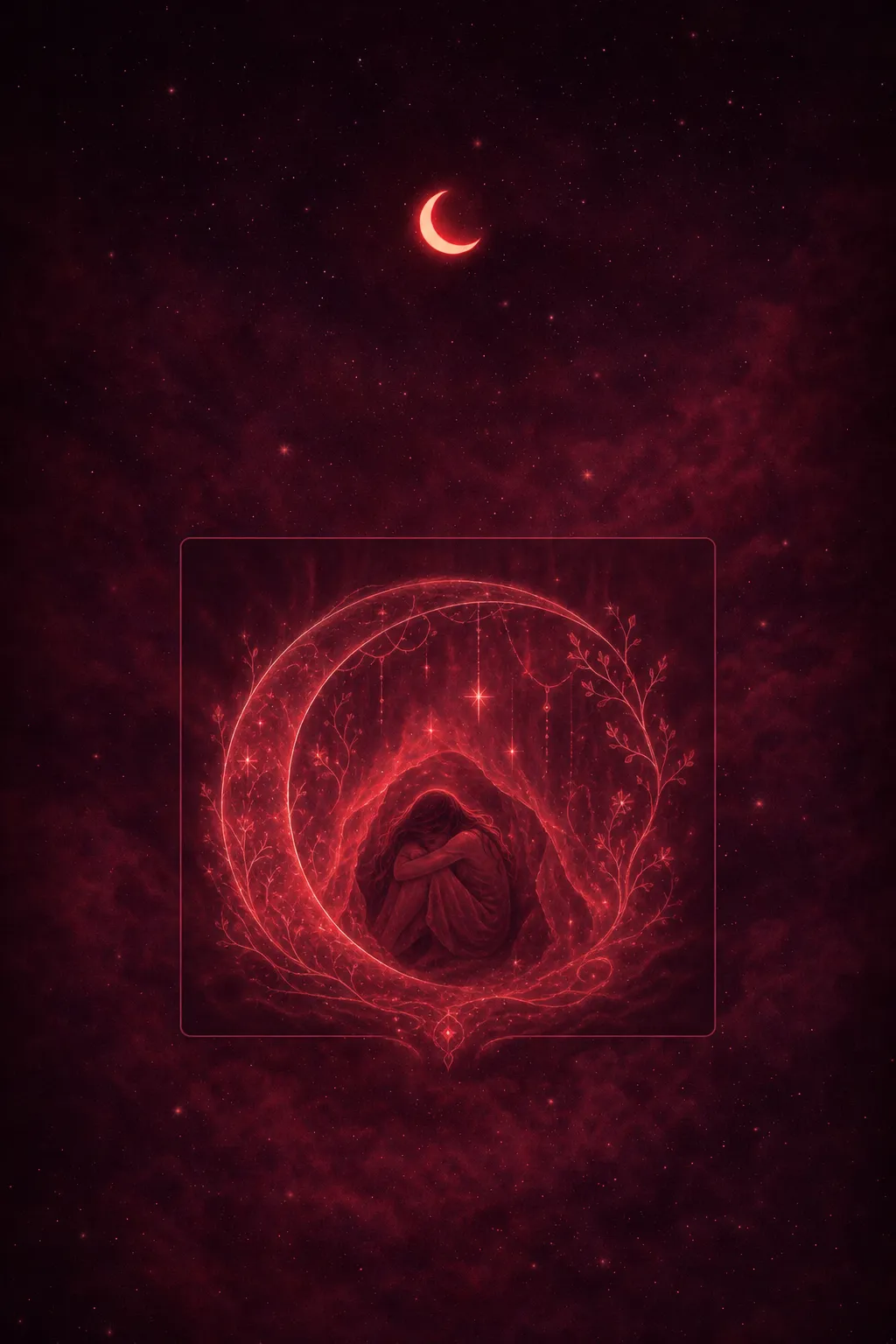

Dreaming about hiding typically reflects a desire to escape stress, conflict, or emotional vulnerability in waking life, suggesting that you may be avoiding a difficult situation, suppressing feelings you fear exposing, or seeking safety from a perceived threat—pay attention to who or what you were hiding from, as it often reveals the source of your anxiety.
In under a minute you could read what your exact dream means for you, and see a picture of it. Free.
A dream still on your mind? Get your personal reading.
Describe your dream in a line or two. In seconds you get a reading of your exact dream, a picture drawn from your own words, and every symbol explained.
Free. No sign-up. Takes 10 seconds. Your dream stays private.
0%
Analyzing your dream…
Something went wrong. Please try again in a moment.
Your dreams deserve more than a dictionary
Common Hiding Dream Scenarios and What They Mean
The specific circumstances of your hiding dream shift its meaning considerably. The most frequent scenario — being chased and hiding from a pursuer — reflects a classic fight-flight-freeze response playing out in sleep. If you are crouched behind a door while something or someone closes in, your mind is most likely processing a real-life pressure you feel unable to confront head-on: a difficult conversation, a mounting deadline, or a conflict you keep postponing.
- Hiding but being found or exposed: Points to shame-based anxiety — the dread that a flaw, secret, or inadequacy is about to be seen. Imposter feelings often fuel this variant.
- Hiding a child or protecting someone else: Suggests a strong protective instinct, sometimes toward a vulnerable part of yourself — what psychologists call the inner child — or toward a relationship or responsibility you feel duty-bound to shield.
- Hiding an object or concealing wrongdoing: Carries guilt and unresolved responsibility. Many Christian dreamers recognize an echo of Adam and Eve covering themselves in the garden — the instinct to hide what we feel ashamed to have God or others see.
- Searching desperately for a hiding place and finding none: A heightened anxiety marker. The sense of total exposure with no refuge often mirrors waking-life exhaustion and a loss of any felt sense of control.
- Successfully hiding and feeling relief: Not always a warning — this can signal a healthy need for rest, boundaries, or quiet withdrawal from overstimulation.
- Choosing to step out of hiding: A growth signal. Deciding to reveal yourself in a dream often reflects genuine readiness to face a situation or own a part of yourself you have long kept out of view.
But what does your version mean?
Across all these variants, pay attention to what — or who — you are hiding from, because that figure usually represents the pressure, judgment, or inner conflict your waking mind has not yet resolved.
What this dream could look like
Tap an image to open it full screen
Example images. Only you can see what you write in Dream Book.
The Psychology Behind Hiding Dreams
From a psychological standpoint, dreaming of hiding is one of the clearest expressions of avoidance coping — the mind's tendency, under stress, to withdraw rather than confront. Where active problem-solving asks you to face what threatens you, hiding signals that some part of your waking life feels too overwhelming to meet head-on. Modern anxiety research consistently links this pattern to situations where perceived control has collapsed: a turbulent work environment, a strained relationship, or any circumstance where the outcome feels entirely out of your hands. The dream isn't predicting disaster; it's reflecting the emotional posture you've already adopted.
Jungian psychology adds a layer worth sitting with. What you hide in a dream is often what you hide from yourself — the shadow material that consciousness finds too uncomfortable to acknowledge. Suppressed anger, unacknowledged grief, or an authentic desire kept under wraps can all surface in hiding imagery. Shame research supports this too: hiding is the body's instinctive concealment response when exposure feels dangerous, and that fear of being truly seen is one of the most common emotional threads running through these dreams. Interestingly, a similar vulnerability underpins the classic dream of teeth falling out, where the self is exposed against its will.
- Avoidance vs. adaptive retreat: Not all hiding is dysfunctional — sometimes it signals a genuine need for boundaries and recovery time.
- Control-seeking: The hiding space often represents a last pocket of agency when everything else feels unmanageable.
- Shadow acknowledgment: Ask what — or who — you were hiding from, and equally, what you were hiding about yourself.
- Shame and exposure: Recurring hiding dreams may point to unresolved feelings of inadequacy or fear of judgment in waking life.
Every dream you log starts to connect.
Dream Book keeps your dreams in one place and reveals the threads between them over time — your private dream journal. Free to start.


Cultural and Traditional Readings of Hiding Dreams
In Anglo-American culture, hiding carries an almost paradoxical charge. From childhood, the game of hide-and-seek frames concealment as innocent fun — a playful rehearsal of disappearing and being found. Yet the same culture places enormous social value on directness and "facing things head-on," which means that dreaming of hiding can land with a quiet sting of failure, as though the sleeping mind is confessing a weakness the waking self would rather not admit. This tension between the carefree child crouching behind the sofa and the adult who is supposed to stand their ground gives hiding dreams a particular emotional bite that purely psychological readings can miss.
Was yours a sign? Find out.
Folk tradition has long treated hiding in dreams as a warning sign of unfinished business with the truth. In broadly Protestant-influenced American households, concealment carries moral weight — what is hidden is assumed to be hidden for a reason, and that reason is rarely flattering. This mirrors the cultural suspicion of privacy itself: in a society that prizes transparency and authenticity, choosing not to be seen can feel morally loaded, even in a dream. That discomfort is especially sharp in today's hyperconnected world, where dreams of being pursued and hiding often reflect real-life anxieties about visibility — social scrutiny, digital exposure, and the exhausting pressure to perform a polished self at all times.
Across these cultural layers, a few recurring folk interpretations stand out:
- Hiding as shame: Traditional readings often link concealment to guilt or a secret the dreamer fears being judged for.
- Hiding as cowardice: Culturally, avoiding a confrontation in a dream can be read as a prompt to reclaim courage in waking life.
- Hiding as necessary rest: A quieter folk thread — especially in rural and religious communities — sees temporary withdrawal as wise stewardship of one's energy, not weakness.
- Privacy as self-preservation: In individualist Anglo contexts, hiding can also symbolize a healthy assertion of personal boundaries against an intrusive world.
The Spiritual Meaning of Hiding Dreams
Within a Christian framework, dreaming of hiding carries immediate scriptural resonance. In Genesis 3, Adam and Eve conceal themselves among the trees after eating the forbidden fruit — not because God cannot find them, but because guilt and shame have broken their sense of standing before him. If your dream places you in that same posture of crouching out of sight, it may be worth asking what inner conviction is driving the impulse to disappear. The hiding is rarely about an external threat; it is about a fractured relationship with your own conscience.
A bad dream isn't a bad sign.
Yet the Bible holds a second, contrasting image of hiding. Psalm 32 and Psalm 91 speak of God himself as a hiding place — a refuge sought not in shame but in trust. This distinction matters spiritually: are you hiding from something (guilt, exposure, judgment), or seeking shelter in something (rest, renewal, safety)? Dreams of being chased and hiding often collapse both impulses into one anxious scene, and untangling them can be a genuinely clarifying spiritual exercise.
- Hiding in shame: may signal unresolved guilt or an aspect of yourself you feel cannot bear scrutiny — spiritually, an invitation toward honesty rather than further concealment.
- Hiding as refuge: may reflect a legitimate need for stillness and withdrawal in a high-pressure season of life.
- Hiding from a figure of authority: can point to tensions between personal freedom and accountability — a modern-anxiety theme with clear spiritual overtones about judgment and worthiness.
Related Dream Meanings

nightmares
Being Chased Dream Meaning: Anxiety & Avoidance
5 min read

body health
Teeth Falling Out Dream: Anxiety, Loss & Vulnerability
5 min read

common dreams
Scoring a Goal Dream Meaning: Success & Ambition
5 min read
common dreams
Black Dress Dream Meaning: Power, Grief & Mystery
5 min read

common dreams
White Dress Dream Meaning: Purity, Change & New Starts
5 min read
common dreams
Lottery Numbers: What It Really Means
5 min read

common dreams
Halloween: Masks, Fear & What It Really Means
5 min read

common dreams
the Rapture: What It Really Means
6 min read
What to Do After a Hiding Dream: Practical Takeaways
The most useful first step is simply to name what you felt in the dream — not what happened, but the emotion underneath it. Fear of judgment, relief at being unseen, shame about something unspoken? Matching that feeling to a specific waking situation is often more revealing than any symbolic analysis. Keep a short journal by your bed and write two or three sentences immediately after waking: what you were hiding from, and whether any part of your day-to-day life carries that same charge right now.
Because hiding dreams tend to spike during periods of high pressure or unwanted change, treat the dream as an early-warning signal rather than a verdict. Ask yourself honestly whether you are avoiding a conversation, a decision, or a responsibility — and whether that avoidance is serving you or quietly compounding your stress. If recurring chase-and-hide dreams are disrupting your sleep, that pattern alone is worth raising with a therapist or counselor, since it often points to sustained anxiety that benefits from structured support.
But what does your version mean?
- Identify the threat: Write down who or what you were hiding from and brainstorm real-world equivalents — a critical boss, a difficult relationship, a looming deadline.
- Check your boundaries: Not all hiding is unhealthy. If the dream felt like relief rather than fear, consider whether you genuinely need more recovery time or personal space in your waking life.
- Take one small step toward visibility: Share one honest opinion, send one delayed message, or acknowledge one avoided feeling — small acts of exposure gradually reduce the emotional weight the dream is reflecting.
One dream is never the whole picture.
The free app remembers your dreams, draws them, and connects the threads over time — so the next one means even more. Free to start.
People Also Ask
Dreaming of running away and hiding often reflects a desire to escape overwhelming stress, conflict, or responsibility in your waking life. It can signal anxiety, avoidance, or fear of confrontation. Your mind may be urging you to address a situation you have been putting off rather than retreating from it.
Dreams involving intense fear, recurring themes, vivid warnings, or strong emotional weight deserve careful attention. These often reflect unresolved inner conflict or genuine stress your subconscious is processing. Dreams about hiding repeatedly, being chased, or feeling trapped are especially worth reflecting on, as they may reveal patterns you need to consciously address.
Biblically, hiding often symbolizes shame, guilt, or separation from God, echoing Adam and Eve concealing themselves after the Fall. In dreams, this imagery may represent a feeling of unworthiness or a secret burden weighing on your conscience. It can also symbolize divine protection, as Psalms describes God hiding the faithful under His wings.
A spiritually significant dream typically feels unusually vivid, carries a clear moral message, and stays with you long after waking. If the dream about hiding fills you with a deep sense of conviction, urgency, or peace rather than ordinary anxiety, many believers interpret this as a prompt to seek guidance through prayer or reflection.
Curious what your dream would look like?