
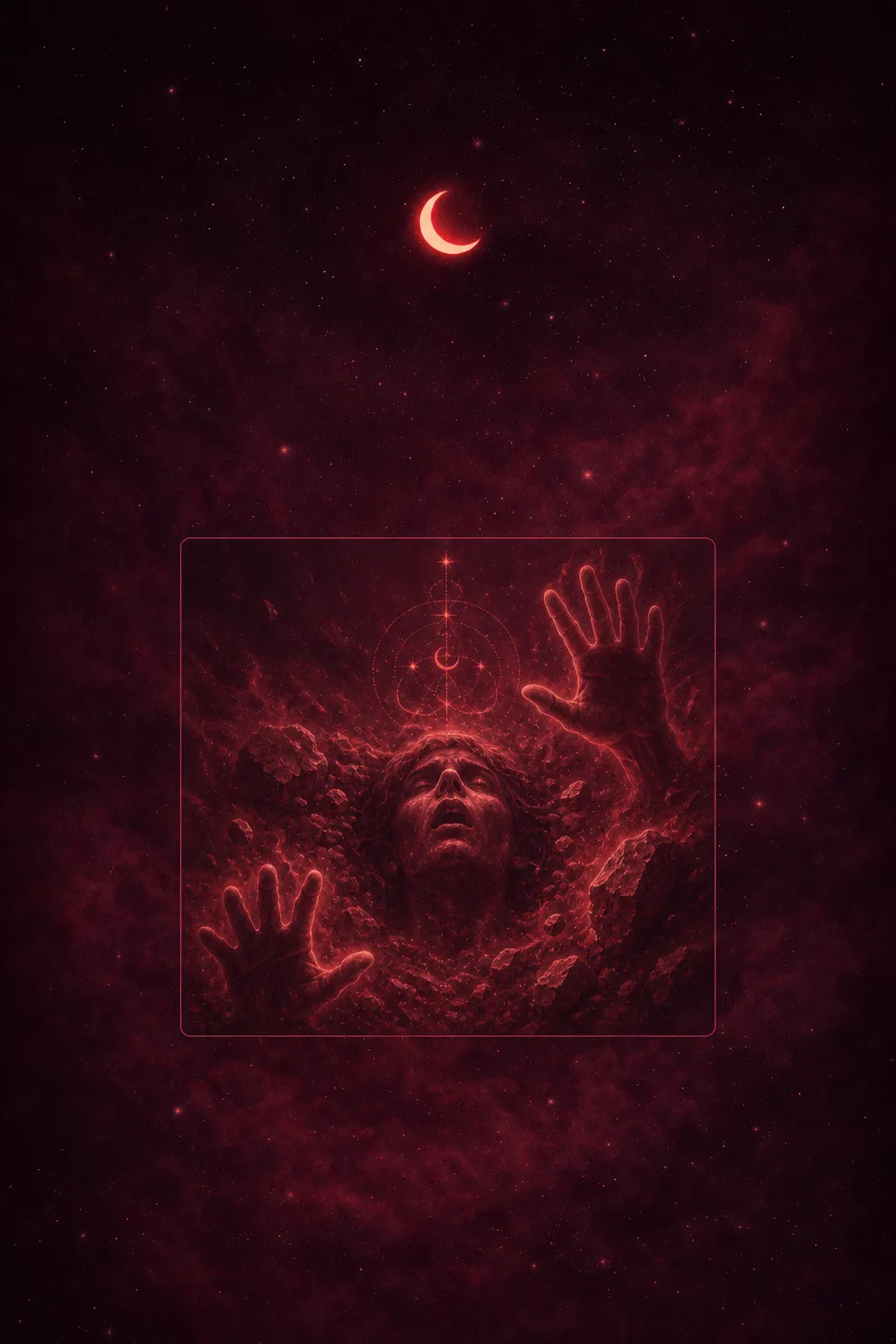

Dreaming about being buried alive typically signals feelings of suffocation, entrapment, or overwhelming pressure in waking life, often reflecting anxiety about losing control, being silenced, or struggling beneath responsibilities, a relationship, or a situation that feels impossible to escape, urging you to identify what is draining your sense of freedom and take steps to reclaim it.
In under a minute you could read what your exact dream means for you, and see a picture of it. Free.
Bad dream? See exactly what you dreamed — turned into a picture.
Just describe it and Dream Book paints your dream as a real image, plus a reading of what it means for you. Free, and it takes under a minute.


Common Dream Scenarios and What They Mean
The specific details of a being-buried-alive dream shift its meaning considerably. Whether you are motionless in the dark or fighting your way toward daylight reveals a great deal about where you feel you stand in a waking struggle for control. At Dream Book we explore this symbol in depth.
- Fully conscious but unable to move: The classic scenario — aware of everything, paralyzed by the weight above. This points to a situation that feels completely inescapable right now: a job, a relationship, or a mounting obligation that seems to leave no breathing room whatsoever.
- Digging or clawing toward the surface: Your dreaming mind is not giving up. The effort itself is significant — agency is present, even if the exit has not yet appeared. This often mirrors an active but exhausting real-life push against circumstances that still feel stacked against you.
- Someone else buries you: The presence of a specific person doing the burying shifts focus to betrayal or suppression. A boss, partner, or authority figure may be silencing you or overriding your choices in ways you have not yet fully confronted.
- Suffocation is the central focus: When the air running out dominates the dream, burnout or overwhelm is the likely message — your system is signaling it has too little room to function.
- You break free and reach the surface: A resilience marker. However harrowing the burial felt, escaping signals that some part of you recognizes a way through a difficult period and that agency is returning.
- Buried but strangely calm: An unsettling variant. Quiet acceptance underground can reflect either genuine readiness to let something end or a worrying emotional numbness — the mind going quiet under sustained pressure.
- Calling for help that never comes: The terror here is isolation, not the earth itself. This scenario tends to surface when someone feels invisible in their distress — unsupported by the people they expected to show up.
A bad dream isn't a bad sign.
Taken together, these variants map the spectrum from complete powerlessness to hard-won agency. Noticing which version visits you most often is a useful starting point for identifying where in your life you most need to reclaim a sense of control.
What this dream could look like
Tap an image to open it full screen
Example images. Only you can see what you write in Dream Book.
The Psychological Reading: Pressure, Suppression, and the Buried Self
From a psychological standpoint, dreaming of being buried alive is one of the mind's most direct distress signals. Anxiety researchers consistently link entrapment imagery to real waking situations where the dreamer feels locked in — a draining job, a relationship that has run its course, or obligations that pile on faster than they can be managed. The suffocating weight of earth maps almost literally onto burnout: when demands exceed capacity and there is simply no room left to breathe, the subconscious reaches for the most visceral image it can find. Modern life — with its always-on culture and relentless pressure to perform — has made this dream more common, not less.
Depth psychology adds another layer: what is buried is not always a situation but a part of the self. Aspects of identity, desire, or emotion that have been pushed down to keep the peace can resurface in this imagery, the psyche insisting that suppressed material will not stay silent forever. From a broadly Christian psychological perspective, this resonates with the idea that hidden truths eventually come to light — concealment is ultimately unsustainable. A related thread is the fear of being unseen or forgotten, of mattering to no one, which the dream dramatizes as literal invisibility beneath the ground.
- Trapped with no exit: points to a waking situation where you feel you have no real choices left.
- Suffocation and overwhelm: a somatic signal that current demands have exceeded healthy limits.
- Loss of agency: the core anxiety of being unable to act on your own behalf.
- Buried identity: suppressed feelings or parts of yourself demanding acknowledgment.
- Fear of invisibility: a deep need to be recognized and valued by those around you.
General meanings end here. Read your own dream.
0%
Analyzing your dream…
Something went wrong. Please try again in a moment.
Your dreams deserve more than a dictionary
Cultural Roots and Folk Beliefs: A Fear Built Into the Culture
Long before horror films made it a staple of nightmare fuel, the anglophone world harbored a genuine, documented terror of premature burial. In the eighteenth and nineteenth centuries, taphophobia — the dread of being buried alive — was culturally mainstream, not fringe. Newspaper accounts of people waking inside coffins, along with the invention of "safety coffins" fitted with bells and breathing tubes, show how deeply the fear was wired into everyday life. That historical anxiety lives on as a kind of cultural inheritance, which means the dream image arrives already loaded with collective dread before the sleeper's personal circumstances add a single layer.
But what does your version mean?
Modern media keeps the symbol alive and charged. Thriller and horror storytelling returns to the buried-alive scenario repeatedly, cementing it as a shorthand for total loss of agency — the ultimate situation in which no amount of effort, intelligence, or willpower can simply fix things. When this imagery bleeds into dreams, it often reflects the particular flavor of modern anxiety: the sense of being overwhelmed by forces — debt, deadlines, relentless expectation — that feel as impersonal and immovable as packed earth.
- Historical taphophobia: a real, documented cultural fear that normalized the imagery long before psychology named it.
- Media reinforcement: repeated thriller tropes shape how the dreaming mind reaches for this symbol when it needs to express helplessness.
- Modern-anxiety echo: today the "burial" often stands for systemic pressures — workload, financial stress, social invisibility — rather than a literal grave.
Spiritual Meaning: Descent, Darkness, and the Promise of Renewal
From a spiritual standpoint, the image of being buried alive carries a paradox that several Christian traditions find quietly hopeful beneath its terror. Romans 6:4 frames burial not as an ending but as the necessary passage before new life — being placed in the ground is the moment that precedes rising. When this dream arrives during seasons of suffocating pressure or lost control, a faith-oriented reading might ask whether the darkness itself is transitional: something old being laid down so that something renewed can surface. The dread is real, but within that frame it is not the final word.
Psalm 40:2 adds a complementary image — the cry from a miry pit, and the hand that lifts the dreamer out. For those who hold a biblical worldview, a buried-alive dream can function as an invitation to honest prayer: to name the specific weight pinning you down, whether that is an impossible workload, a concealed struggle, or a loss of agency that has gone unacknowledged. The act of crying out — of refusing silent suffocation — is itself spiritually significant in this tradition.
Was yours a sign? Find out.
- Buried but not abandoned: darkness as a liminal space, not a permanent one
- The cry from the pit: spiritual permission to voice despair rather than suppress it
- Resurrection framing: what feels like an ending may signal necessary transformation
- Concealment and being seen: a prompt to bring hidden burdens into the light, spiritually or relationally
Related Dream Meanings

nightmares
Dreaming of a Coffin Meaning: What Your Dream Reveals
5 min read

nightmares
Dreaming About a Grave: Meaning and Interpretation
6 min read
nightmares
Drowning Dream Meaning: Overwhelm, Fear & Hidden Stress
5 min read

nightmares
Plague Meaning
6 min read

nightmares
What Does It Mean to Go Crazy in a Dream? Dream Interpretation
5 min read

nightmares
Losing Your Mind Dream: Overwhelm, Fear & Exhaustion
6 min read

nightmares
Dark Entity Dream Meaning: Fear, Shadow & Hidden Self
6 min read

nightmares
What Does It Mean When Something Is Under Your Bed in a Dream
5 min read
Practical Takeaways: Reclaiming Breathing Room and Agency
Because this dream almost always signals a real waking pressure point, the most useful first step is naming the specific weight that is piling up. Grab a notebook and write down the one situation in your life right now where you feel you have the least say — a job, a relationship, a financial obligation. Giving it a name moves it out of the body and onto paper, which is a small but measurable act of control.
- Audit your commitments. Being buried alive in a dream often maps onto a schedule or obligation list that has quietly become suffocating. Identify one thing you can drop, delegate, or push back on this week.
- Build micro-exits into your day. Short, predictable moments of genuine autonomy — a walk, a closed-door lunch break, a hard stop on work notifications — counteract the "no way out" feeling the dream is mirroring.
- Talk to someone who can actually change the situation. That might be a manager, a therapist, or a trusted friend who will hold you accountable for setting a boundary, not just validate the frustration.
- Track recurrence. If this dream repeats over several weeks, treat it as a persistent check-engine light — the underlying stressor has not shifted and likely needs more than a lifestyle tweak.
Modern life is extraordinarily good at piling on pressure incrementally, so that each new demand feels manageable until the cumulative weight is overwhelming. This dream is often the mind's way of forcing you to notice a slow suffocation you have been rationalizing. Use that discomfort as data, not just distress.
A bad dream isn't a bad sign.
If it keeps coming back, the app helps you understand the pattern.
Log each recurring dream and the free app shows you what's underneath — calmly, over time. Free to start.
People Also Ask
Dreaming of being buried alive typically signals feelings of being trapped, overwhelmed, or suffocated in waking life. It may reflect a situation — a relationship, job, or responsibility — that feels inescapable. Your subconscious is urging you to confront what is suppressing your freedom, voice, or sense of self before it consumes you completely.
This dream symbolizes repression, unacknowledged emotions, or a part of yourself being forcibly hidden. It can also represent fear of death, major change, or being forgotten. Psychologically, it points to anxiety about losing control. The imagery pushes you to acknowledge buried feelings and reclaim agency over your own life and identity.
Many people believe divine warning dreams carry an unusually vivid, emotionally charged quality that lingers long after waking. They often feature recurring symbols, a strong sense of urgency, or a clear moral message. Reflecting prayerfully, journaling the dream, and seeking spiritual counsel can help you discern whether the experience carries meaningful guidance.
Graveyards in dreams usually symbolize endings, transitions, or aspects of yourself you have laid to rest. They can represent grief, unresolved feelings about loss, or the closing of a life chapter. Graveyards are not always negative — they can also signal necessary release, making space for new beginnings and personal transformation after a period of mourning.
Curious what your dream would look like?