
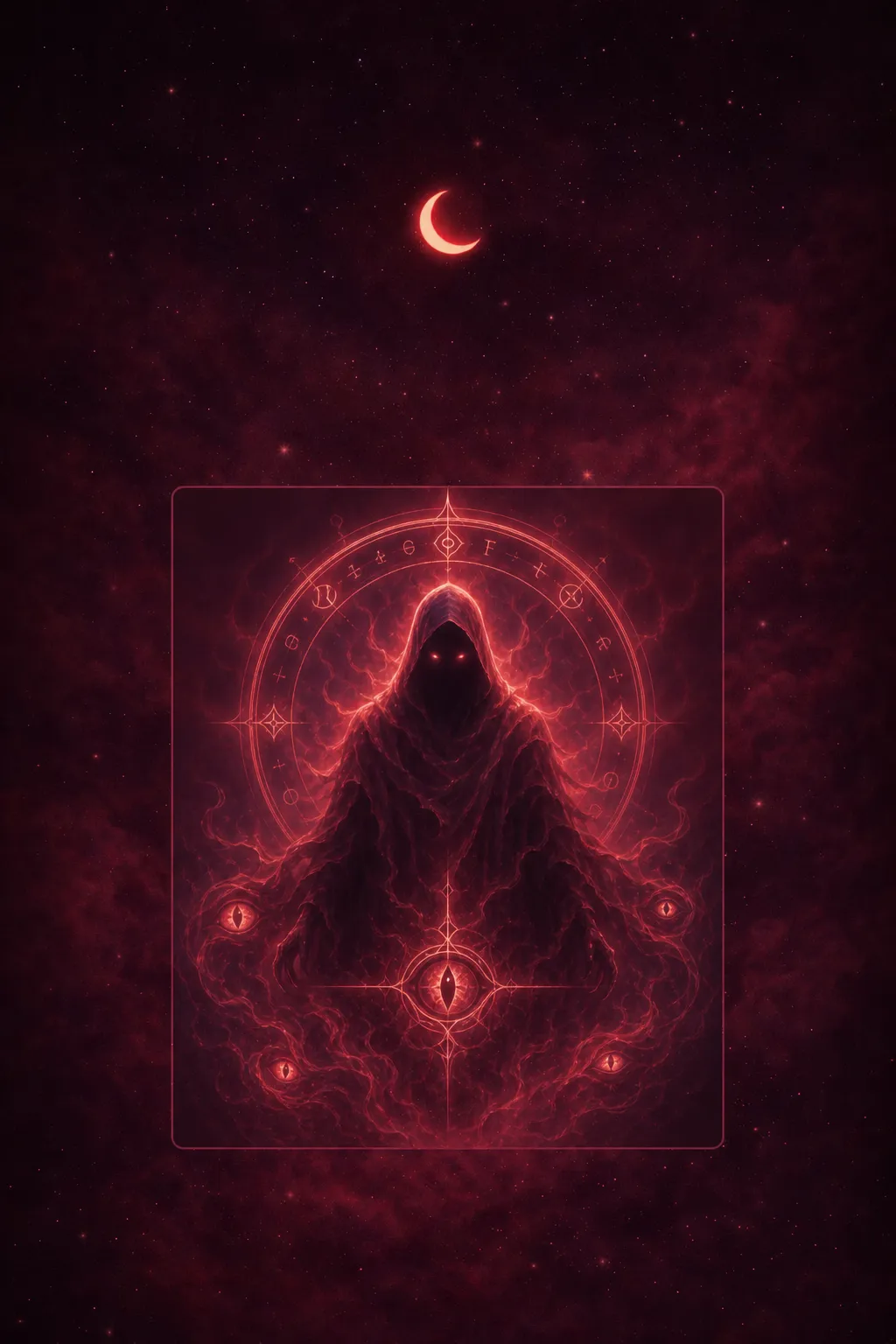

Dreaming about being stalked typically means you feel anxious, pursued, or threatened by an unresolved fear, a persistent problem, or an aspect of your own psyche that you are trying to avoid, with the stalker often representing guilt, obsessive thoughts, or a real-life situation that makes you feel watched, trapped, or unable to escape.
In under a minute you could read what your exact dream means for you, and see a picture of it. Free.
A dream still on your mind? Get your personal reading.
Describe your dream in a line or two. In seconds you get a reading of your exact dream, a picture drawn from your own words, and every symbol explained.
Free. No sign-up. Takes 10 seconds. Your dream stays private.
0%
Analyzing your dream…
Something went wrong. Please try again in a moment.
Your dreams deserve more than a dictionary
Common Stalker Dream Scenarios and What They Mean
The specific shape a stalker takes in your dream sharpens the interpretation considerably. A faceless or unknown pursuer typically reflects diffuse, free-floating anxiety — stress that has no single clear target. Your mind has simply given that pressure a body. When the stalker is someone you recognize — an ex-partner, a difficult colleague, a faded acquaintance — the dream is usually processing an unresolved dynamic with that person or what they represent: a lingering boundary issue, emotional entanglement, or a resentment you have not fully released.
- You flee or hide, but the pursuer keeps finding you: A hallmark modern-anxiety scenario. The problem you have been sidestepping — a looming deadline, a relationship fracture, a financial worry — keeps resurfacing no matter the escape route. The dream's message is blunt: evasion is not working, and turning to face the issue directly may be the only way to end the chase. This mirrors the dream of running, where perpetual flight signals that something demands your attention rather than your avoidance.
- You are watched but not chased: Points to self-surveillance and the fear of judgment — the sense of being constantly evaluated at work, online, or in a relationship. Privacy anxiety and performance pressure are the usual culprits.
- The stalker enters your home or bedroom: A significant escalation. The home represents the core self, so this intrusion signals that a stressor is no longer knocking at the edges of your life — it feels like it has breached your most private sense of identity and safety.
- You turn and confront the stalker: A genuinely positive shift. This scenario often marks growing readiness to stop avoiding a threat and deal with it head-on — an emerging sense of agency and control.
- You are the one doing the stalking: Worth sitting with honestly. This variant can point to obsessive thinking, an unmet longing, or a desire to control a situation or person that you feel slipping beyond your reach.
A bad dream isn't a bad sign.
Across all these variants, the central question is the same: what pressure in your waking life feels inescapable right now, and are you running from it or finally ready to face it?
What this dream could look like
Tap an image to open it full screen
Example images. Only you can see what you write in Dream Book.
The Psychological Reading: What Your Mind Is Really Processing
From a psychological standpoint, the stalker figure in a dream is rarely about a literal external threat — it is almost always a projection. The pursuer typically represents an unresolved stressor, an intrusive thought, or an emotional demand that you have been actively avoiding in waking life. Your subconscious, unable to get your attention through quieter means, manufactures a vivid, embodied threat to force a confrontation. In Jungian terms, this figure often belongs to the shadow — a disowned aspect of yourself, perhaps an old ambition, a suppressed emotion, or a painful memory, that keeps circling back no matter how firmly you shut the door on it.
Modern life adds its own layer. Chronic workplace pressure, the feeling of being constantly monitored on social media, or the low-grade dread of financial instability can all translate, during sleep, into the sensation of being followed. If you already struggle with hypervigilance or anxiety, that threat-monitoring system simply does not clock out — it keeps running, and the stalker dream is one of its most vivid outputs. The core emotional cluster — vulnerability, powerlessness, violation — mirrors the experience of feeling like circumstances, other people, or your own thoughts are encroaching on your personal boundaries without permission. Dreams about being unable to run or escape often accompany this same dynamic.
The productive reframe here is to treat the stalker as a messenger rather than a monster. Ask yourself what pressure, habit, or unfinished emotional business refuses to leave you alone right now. Facing that question consciously — whether through journaling, therapy, or honest self-reflection — tends to reduce the dream's intensity, because the subconscious no longer needs to shout.
Every dream you log starts to connect.
Dream Book keeps your dreams in one place and reveals the threads between them over time — your private dream journal. Free to start.


Cultural and Traditional Readings of the Stalker Dream
Across Western folk tradition, being pursued by an unseen or relentless figure has long been read as a warning sign — an omen that unfinished business, guilt, or a neglected obligation is "catching up" with you. In broadly Christian-influenced culture, this imagery echoes the idea that what we refuse to face in conscience will eventually confront us; the pursuer becomes a stand-in for reckoning rather than a literal enemy. That moral undertone still quietly shapes how many people in the US intuitively feel about these dreams, even outside any formal religious framework.
But what does your version mean?
In contemporary popular culture, the stalker figure carries a distinctly modern charge. True-crime media, social-media surveillance, and the erosion of privacy have made the feeling of being watched a mainstream, everyday anxiety — and dreams absorb that cultural noise readily. Many people report stalker dreams during periods of heavy social-media use or intense public scrutiny at work, suggesting the symbol now doubles as a mirror for digital-age hypervigilance. This connects closely to the broader dream of being chased, which folklore across cultures has consistently linked to avoidance and a loss of control over one's circumstances.
- Unfinished obligation: Folk readings often frame the pursuer as a duty or debt the dreamer keeps deferring.
- Moral reckoning: US Christian-adjacent tradition may interpret the figure as conscience made visible.
- Digital anxiety: Modern interpretations tie the stalker to surveillance culture and the loss of private space.
- Boundary erosion: Culturally, a persistent pursuer signals that personal limits are being ignored — by others or by oneself.
The Spiritual Reading: A Pursuer That Will Not Let Go
Within a Christian spiritual frame, the relentless pursuer in this dream can call to mind the imagery of 1 Peter 5:8 — an adversary that circles, waits, and presses in on personal boundaries. Some believers interpret a stalker dream as a nudge toward prayer and intentional protection, a reminder that spiritual vigilance matters as much as psychological awareness. The response the tradition encourages is not paralysis but active refusal of fear: naming what feels threatening, bringing it into the light, and refusing to let dread set the terms.
Was yours a sign? Find out.
Beyond that specific frame, most spiritual traditions share a quieter reading: the pursuer may be your own conscience or an inner calling you have long postponed. Unlike the psychological shadow — covered elsewhere — this is less about disowned impulse and more about a genuine moral or spiritual prompt that keeps returning because it has not yet been honored. The modern anxiety of feeling constantly watched, scrutinized, and never fully safe gives this motif extra weight; spiritually, that restlessness is sometimes understood as an invitation toward self-examination rather than a verdict of guilt.
- Felt as threat, read as call: the thing you are running from in the dream may be a responsibility or truth asking for acknowledgment.
- Protection vs. avoidance: spiritual practice across traditions encourages turning to face the pursuer through prayer, reflection, or ritual — not simply outrunning it.
- Restlessness as signal: persistent pursuit in sleep often mirrors a waking sense that something spiritually unresolved keeps circling back until addressed.
Related Dream Meanings
common dreams
Running Dream Meaning: Escape, Stress & Freedom
5 min read
nightmares
Dead Relative: Meaning and Interpretation
5 min read

nightmares
Dead Mother: Meaning and Interpretation
5 min read
nightmares
Being Shot Dream Meaning: Vulnerability, Fear & Conflict
5 min read

nightmares
Fighting Dream Meaning: Conflict, Power & Stress
5 min read
nightmares
Ghosts Dream Meaning: Unresolved Emotions & the Past
5 min read

nightmares
Demons Dream Meaning: Fears, Conflicts & Hidden Struggles
5 min read

nightmares
Earthquake Dream Meaning: Instability & Loss of Control
5 min read
Practical Takeaways: What You Can Do After a Stalker Dream
Because this dream almost always signals a felt loss of control — an anxiety you haven't yet named or confronted — the most useful first step is honest self-inventory. Ask yourself what in your waking life feels inescapable right now: a deadline, a relationship dynamic, a habit you keep avoiding. Writing it down breaks the loop that your sleeping mind is trying to dramatize.
- Name the pressure. Journal for five minutes immediately after the dream. Identify the specific stressor the pursuer might represent — vague dread shrinks when it has a label.
- Audit your boundaries. Stalker dreams spike when real-life boundaries are being crossed or ignored. Identify one relationship or work situation where you need to assert a clearer limit, then take one concrete step toward doing so.
- Reduce hypervigilance before bed. Limit news and social-media scrolling in the final hour before sleep. Chronic threat-monitoring during the day feeds dreams of desperate escape at night.
- Practice a grounding routine. Brief breathwork or a short prayer before sleep can lower baseline arousal and reduce the likelihood of pursuit-themed dreams recurring.
- Consider professional support. If the dream recurs frequently and leaves lasting dread, a therapist — particularly one familiar with anxiety or trauma — can help you face whatever is "following" you in a structured, safe way.
A bad dream isn't a bad sign.
The core message is one of agency: you are not helpless against this dream's imagery. Identifying the real-world pressure, drawing firmer boundaries, and lowering daily stress levels are all within your reach — and addressing them directly is the most reliable way to quiet a persistent pursuer.
If it keeps coming back, the app helps you understand the pattern.
Log each recurring dream and the free app shows you what's underneath — calmly, over time. Free to start.
People Also Ask
Dreaming of being watched often reflects feelings of vulnerability, self-consciousness, or anxiety in waking life. You may feel judged or monitored by others, or fear losing your privacy. It can also signal that your subconscious is urging you to pay closer attention to a situation or person making you uneasy.
Being followed in a dream typically symbolizes unresolved fears, guilt, or an issue you are avoiding in real life. The pursuer often represents a suppressed emotion or problem demanding your attention. Consider what or who the figure reminds you of — that association usually reveals the root concern your mind is processing.
Dreams featuring persistent threats, recurring pursuers, or overwhelming dread are worth taking seriously. These intense scenarios often highlight genuine stress, unresolved trauma, or real-life dangers your subconscious has detected. Dreams involving physical harm, being trapped, or feeling utterly powerless frequently signal that something in your waking life urgently needs your honest attention and action.
A spiritually significant warning dream tends to feel unusually vivid, emotionally charged, and deeply memorable long after waking. Recurring themes, a strong sense of urgency, or imagery that feels symbolic rather than random are common signs. Reflecting prayerfully or meditatively on the message and cross-referencing it with real-life circumstances can help you discern its deeper meaning.
Curious what your dream would look like?