
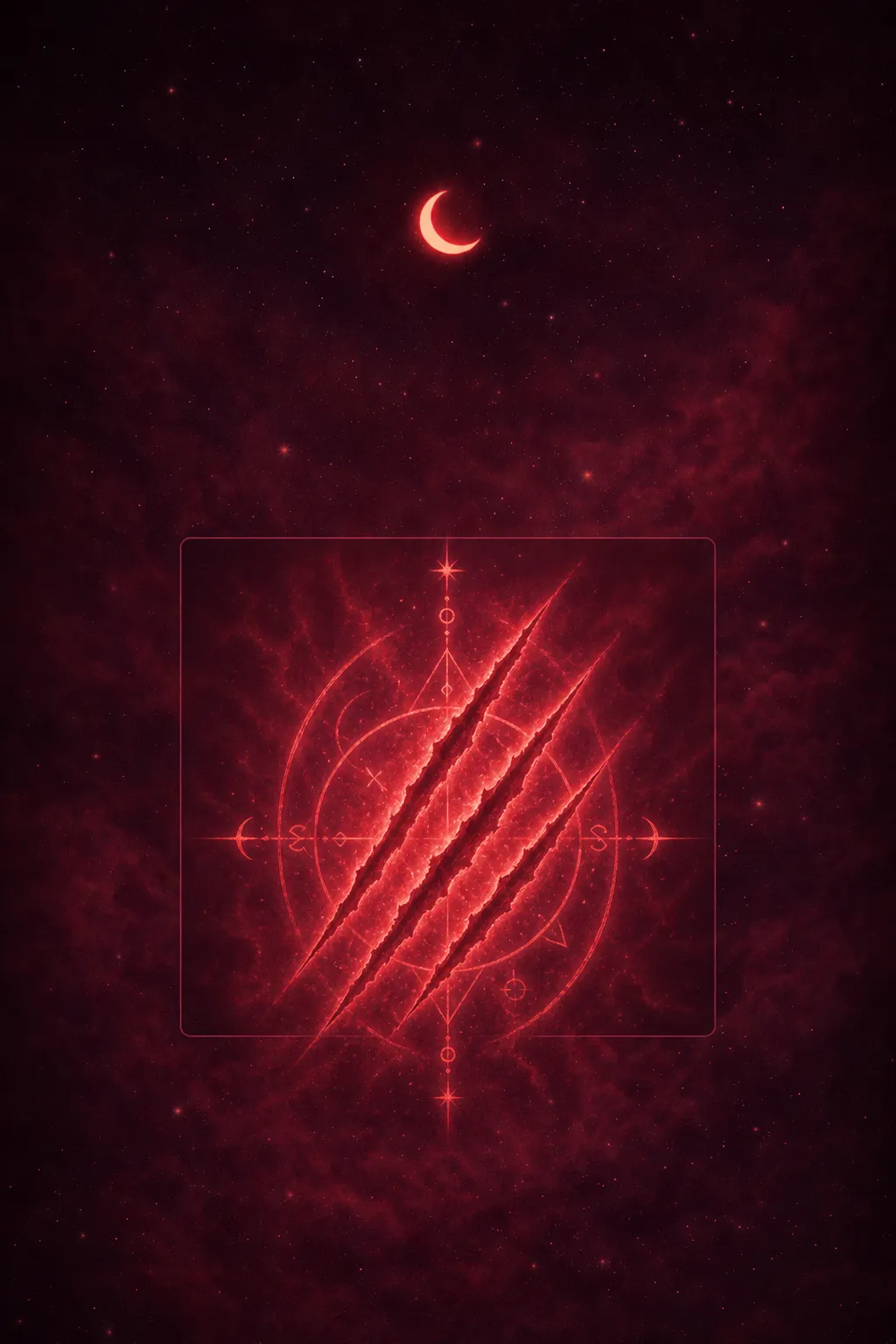

Dreaming about scars typically means your subconscious is processing old emotional wounds, past trauma, or painful experiences that have left a lasting mark on your psyche, signaling that healing is underway or that unresolved pain still needs attention before you can fully move forward in life.
In under a minute you could read what your exact dream means for you, and see a picture of it. Free.
A dream still on your mind? Get your personal reading.
Describe your dream in a line or two. In seconds you get a reading of your exact dream, a picture drawn from your own words, and every symbol explained.
Free. No sign-up. Takes 10 seconds. Your dream stays private.
0%
Analyzing your dream…
Something went wrong. Please try again in a moment.
Your dreams deserve more than a dictionary
Common Dream Scenarios Involving Scars
The specific details of a scar dream shift its meaning considerably. Seeing a scar on your own body — clearly visible and undeniable — typically points to a past hurt that has technically closed over but still shapes how you see yourself. The pressing question your mind may be working through is whether that mark is a badge of survival or a source of shame. A scar on your face raises the stakes further, pulling in anxiety about public identity: how others perceive you, and whether old damage is still defining your social self in ways you'd rather move past.
- A scar reopening or bleeding: A strong signal that a supposedly resolved issue is resurfacing — perhaps a relationship wound, a professional setback, or a grief you thought you'd processed. Healing was shallower than you believed, and something in waking life is pulling the wound back open. Dreams of blood alongside this image often amplify the urgency of that unfinished emotional work.
- A hidden or discovered scar: Concealment suggests suppressed trauma or a secret past — either yours or someone else's. If you are the one hiding it, modern-anxiety readings point to a fear of being truly known; if you discover it on another person, your dreaming mind may be picking up on pain they haven't voiced.
- Multiple scars covering the body: A sense of cumulative hardship — life struggle upon life struggle — leaving you feeling permanently marked rather than temporarily wounded.
- A scar fading or disappearing: One of the more hopeful scenarios: genuine progress in letting go, closure drawing near, and the self quietly reclaiming territory that old pain once occupied.
- A surgical scar: Often tied to health anxiety or the recognition that necessary, painful change has been endured — the body (or life) was cut open purposefully, and recovery is still underway.
What this dream could look like
Tap an image to open it full screen
Example images. Only you can see what you write in Dream Book.
The Psychological Reading: Wounds the Mind Won't Quite Let Go
From a psychological standpoint, dreaming of scars is your subconscious surfacing something it has filed away rather than fully resolved. The scar is the mind's own metaphor: the acute pain is over, but the tissue is changed. Psychologists broadly recognize this as the signature of dormant emotional wounds — experiences that no longer bleed openly yet continue to shape self-perception, relational trust, and the quiet fear that some damage simply cannot be undone. Modern life amplifies this dynamic; in a culture that prizes productivity and moving on, unprocessed grief or attachment injuries from betrayal and loss rarely get the slow attention they need, and the dreaming mind steps in to flag what waking life glosses over.
But what does your version mean?
The ambivalence built into the scar image matters enormously here. On one side sits resilience — the scar as proof of endurance, evidence that you survived something genuinely hard. On the other side sits residue: guilt over a past mistake, a hardened emotional boundary that once protected you but now limits you, or body-image anxiety tied to feeling permanently marked. Dreams involving teeth falling out share a similar psychological grammar — both tap into vulnerability, self-image, and the fear that an inner flaw is now visible to others.
- Integration cue: the dream may be prompting you to acknowledge your history rather than minimize it.
- Control anxiety: if the scar in the dream grows or spreads, it often mirrors a waking fear that past harm is still dictating your present choices.
- Defense mechanism made visible: a scar you hide in the dream can signal emotional walls that once served a purpose but may now be worth examining.
Every dream you log starts to connect.
Dream Book keeps your dreams in one place and reveals the threads between them over time — your private dream journal. Free to start.


Cultural Traditions and Folk Beliefs Around Scars in Dreams
In mainstream Anglo-American culture, scars carry a firmly embedded narrative of earned toughness. The folk idiom of "battle wounds" frames visible marks as proof of survival rather than weakness — something a person endured and came out the other side of. Dreaming of scars taps directly into that cultural story: the scar is not just damage, it is a credential. This tradition overlaps loosely with a broadly Christian reading in which suffering leaves a lasting imprint that can eventually be redeemed into testimony — the mark becomes the story worth telling rather than the wound worth hiding.
Was yours a sign? Find out.
Yet modern Western culture pulls hard in the opposite direction. Cosmetic and wellness industries consistently frame visible scars as problems to be corrected, smoothed away, or concealed. This tension surfaces in scar dreams as a kind of anxiety about self-presentation and control: am I allowed to show this mark, or does it diminish how others see me? For many dreamers navigating the pressures of social media and curated self-image, a dream scar may reflect that uneasy negotiation between authentic self-knowledge — owning what you have been through — and the cultural pressure to appear unblemished.
- Earned resilience: Anglo folk tradition reads scars as proof of character built through hardship.
- Redemptive narrative: A broadly Christian-influenced lens sees the marked body as carrying a story of survival that can be shared with purpose.
- Concealment anxiety: Contemporary beauty culture frames scars as flaws, turning them into a symbol of lost control over one's image — an anxiety that dreams about teeth falling out share in a strikingly similar way.
The Spiritual Reading: Marks That Bear Witness
Within a Christian framework, scars carry profound redemptive weight — most powerfully in the image of Christ's wounds, which were not erased at the resurrection but retained as testimony. Thomas's demand to see and touch those marks before he could believe underscores a core biblical idea: suffering that has been passed through becomes evidence, not just of pain, but of something survived and transformed. Dreaming of scars through this lens invites the question of whether your own wounds are being reframed — not as damage to be hidden, but as a form of witness to what you have endured and moved through.
This "testimony" quality is where the spiritual and the modern converge. In an era defined by anxiety about control and self-image, a scar in a dream can surface the spiritual tension between wanting to appear unmarked and accepting that being marked is part of an honest life. Many faith traditions would say that the scar is not the opposite of healing — it is healing's signature. Dreams of surgical wounds or bodily marks may be nudging the dreamer toward that harder acceptance: that wholeness does not mean returning to the state before harm, but integrating the harm into a fuller sense of self.
A bad dream isn't a bad sign.
- Redemptive testimony: the scar as proof that suffering had meaning and did not have the final word.
- Spiritual self-knowledge: being shown your scars in a dream may signal an invitation to stop concealing what shaped you.
- Acceptance over erasure: faith frameworks broadly affirm that marked lives are not lesser lives — the wound closed; the story continues.
Related Dream Meanings

body health
Blood Dream Meaning: Loss, Vitality & Transformation
5 min read
body health
Teeth Falling Out Dream: Anxiety, Loss & Vulnerability
5 min read
body health
Surgery Dream Meaning: Change, Healing & Control
5 min read

nightmares
Being Chased Dream Meaning: Anxiety & Avoidance
5 min read
body health
What Does It Mean When You Dream About Losing Teeth
5 min read

body health
Hair Falling Out Dream: Loss, Insecurity & Change
5 min read
body health
Pregnancy Test Dream Meaning: New Beginnings & Anxiety
5 min read
body health
What Does It Mean When You Dream About Bleeding
6 min read
What to Actually Do After a Scar Dream
The most useful move is to treat the dream as a prompt for honest self-inventory rather than a verdict. Ask yourself which old wound the scar might represent — not to reopen it, but to check whether it is genuinely healed or just quiet. Many people find that unresolved anxiety resurfaces in dreams precisely when current stress rhymes with a past hurt, so noting what is happening in your waking life right now can reveal the connection quickly.
- Name the wound specifically. Journal a sentence or two identifying the event or relationship the scar most likely echoes. Vague dread tends to lose its grip once it is made concrete.
- Distinguish residue from damage. A scar means the wound closed — remind yourself of that distinction. Changed tissue is not broken tissue. This reframe supports a sense of control rather than helplessness.
- Notice shame versus pride in the dream's tone. If the scar felt shameful, that emotional charge is worth exploring — possibly with a therapist, especially if it connects to recurring anxiety dreams that follow a similar pattern of feeling exposed or pursued.
- Set a small, forward-facing intention. Healing imagery in dreams often signals readiness for a next step — a conversation you have been avoiding, a boundary worth setting, or simply permission to stop defining yourself by what once hurt you.
But what does your version mean?
Above all, resist the urge to over-interpret every detail. One scar dream is a nudge; a pattern of them is a clearer signal that something unresolved deserves deliberate attention.
One dream is never the whole picture.
The free app remembers your dreams, draws them, and connects the threads over time — so the next one means even more. Free to start.
People Also Ask
Spiritually, scars represent healing, resilience, and transformation. They remind us that pain has been endured and survived. In dreams, they often signal that your soul is processing old wounds, releasing emotional baggage, or acknowledging growth that came through hardship. They can also mark spiritual initiation or a deepened sense of wisdom.
A scar in a dream typically symbolizes past emotional pain, trauma, or an experience that left a lasting mark on your psyche. It may point to unresolved feelings about a relationship or event. Alternatively, it can represent strength and proof that you overcame something difficult and are now moving forward with greater self-awareness.
Dreams featuring recurring wounds, scars, or injury deserve close attention, as do dreams involving loved ones in danger, teeth falling out, or being chased. These themes often reflect deep subconscious stress, unresolved trauma, or urgent emotional needs. If a dream disturbs you repeatedly or feels unusually vivid, treat it as a meaningful inner message worth reflecting on.
Fully lucid dreams, where the dreamer consciously controls the entire narrative, are considered among the rarest. Precognitive dreams that appear to predict real events are also reported rarely. Dreams involving all five senses simultaneously, or shared dreams experienced by two people identically, are exceptionally uncommon and often regarded as the most extraordinary dream phenomena.
Curious what your dream would look like?