
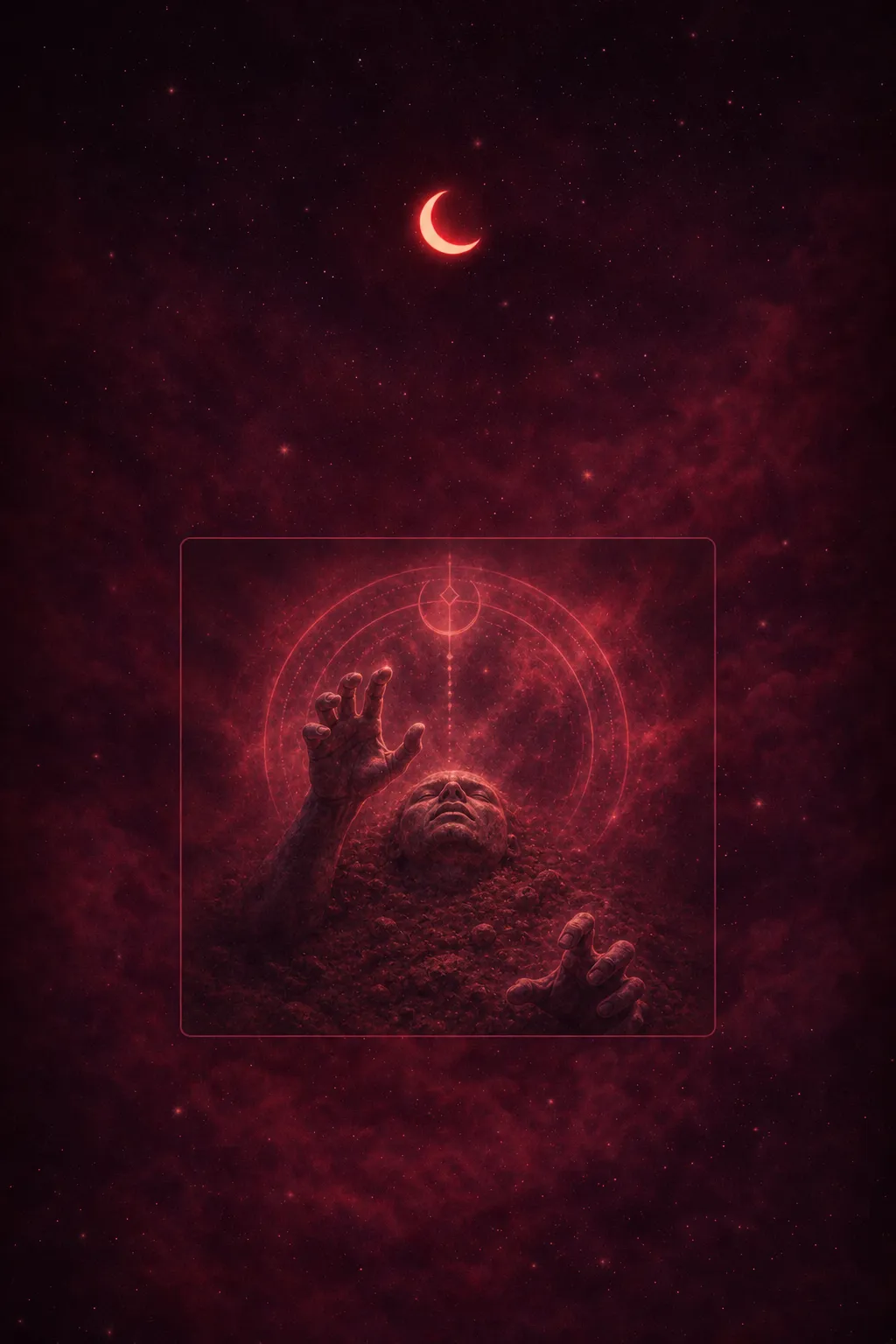

Dreaming about being buried alive typically signals feelings of suffocation, entrapment, or overwhelming pressure in waking life, often reflecting anxiety about a situation or relationship that feels inescapable, a fear of being forgotten or overlooked, or a deep need to break free from responsibilities, expectations, or emotional burdens that are slowly consuming you.
In under a minute you could read what your exact dream means for you, and see a picture of it. Free.
Bad dream? See exactly what you dreamed — turned into a picture.
Just describe it and Dream Book paints your dream as a real image, plus a reading of what it means for you. Free, and it takes under a minute.


A dream still on your mind? Get your personal reading.
Describe your dream in a line or two. In seconds you get a reading of your exact dream, a picture drawn from your own words, and every symbol explained.
Free. No sign-up. Takes 10 seconds. Your dream stays private.
0%
Analyzing your dream…
Something went wrong. Please try again in a moment.
Your dreams deserve more than a dictionary
Common Scenarios and What They Mean
The details surrounding a buried-alive dream shift its meaning considerably — pay attention to who is present, whether escape is possible, and how you feel throughout.
Dreaming of being fully conscious underground with no way out
Almost always mirrors a waking situation in which pressures feel inescapable: a draining job, a suffocating relationship, or a cascade of responsibilities that leaves no breathing room. It is a vivid snapshot of lost personal agency and one of the clearest anxiety dreams the sleeping mind can produce.
A bad dream isn't a bad sign.
Dreaming of struggling to breathe beneath the earth or in a coffin
Beyond its emotional symbolism of feeling smothered by demands or expectations, this version may partly reflect real bodily signals — disrupted sleep, shallow breathing, or anxiety — bleeding into the dream itself. It deserves attention both as metaphor and as a possible physical cue.
Dreaming of someone deliberately burying you
Points to feeling silenced or dismissed by a specific person or group — a boss, partner, or social circle whose actions leave your voice unheard or your needs ignored. The identity of the person holding the shovel is rarely accidental.
Dreaming of digging yourself out or being rescued from the grave
The most hopeful variant. It suggests emerging resilience and a genuine turning point; the psyche is registering that a way forward exists, even if reclaiming control requires serious effort. Many people report this shift appearing just as a difficult period begins to ease.
Dreaming of feeling strangely calm while buried alive
Rather than pure dread, this reflects a quiet wish to withdraw — a need for rest and retreat from overwhelming obligations that modern life rarely permits. It is less about death anxiety and more about a deep hunger for stillness.
But what does your version mean?
Dreaming of watching someone else buried alive
May signal genuine concern for a person in your life who seems trapped or unheard, or it can represent feelings of suppression you have projected outward rather than owned directly. Either way, the buried figure is worth examining closely.
Across all these variants, the central question the dream raises is one of self-knowledge and control: where in your waking life do you feel buried, and what — or who — is holding the shovel?
What this dream could look like
Tap an image to open it full screen
Example images. Only you can see what you write in Dream Book.
Psychological Interpretation
From a psychological standpoint, dreaming of being buried alive is one of the mind's most vivid distress signals. The subconscious reaches for this imagery when emotional suppression has quietly crossed a tipping point — when feelings, needs, or parts of the self have been pushed so far underground that the psyche dramatizes the situation literally. Anxiety researchers note that this kind of high-distress dream tends to spike during periods of sustained, low-control stress: looming deadlines, financial pressure, or life transitions where the dreamer feels acted upon rather than acting. The modern information-overload environment, with its relentless demands on attention and performance, has made this once-rare nightmare considerably more common.
The control axis is central here. Jung would frame the experience as the ego being overwhelmed by forces it refuses — or is unable — to integrate, while mainstream cognitive therapists read it as the brain rehearsing worst-case scenarios rooted in real helplessness. From a US Christian psychological perspective, the image can also carry a quieter resonance: the sense that one's God-given identity or calling has been buried under obligation, expectation, or shame — a spiritual suffocation that registers as physical in the dream state.
- Suppressed emotion: Grief, anger, or desire that has been denied conscious expression pushes toward the surface through nightmare imagery.
- Loss of agency: A perceived inability to direct one's own life fuels the sensation of confinement.
- Transformative potential: Being buried can also signal a necessary death of an old identity — discomfort that precedes genuine growth.
- Anxiety amplification: Chronic stress lowers the threshold at which the sleeping mind generates threat scenarios, making this dream more likely during high-pressure seasons.
General meanings end here. Read your own dream.
Describe your dream in a line or two. In seconds you get a reading of your exact dream, a picture drawn from your own words, and every symbol explained.
Free. No sign-up. Takes 10 seconds. Your dream stays private.
0%
Analyzing your dream…
Something went wrong. Please try again in a moment.
Your dreams deserve more than a dictionary
Every dream you log starts to connect.
Dream Book keeps your dreams in one place and reveals the threads between them over time — your private dream journal. Free to start.
Cultural and Traditional Readings
Across Western folk tradition, premature burial ranked among the deepest collective fears long before modern medicine could reliably confirm death. Nineteenth-century anxiety about being interred alive was so widespread that "safety coffins" — fitted with bells or air tubes — were genuinely patented and sold. That cultural dread left a lasting imprint: the buried-alive image became shorthand for any situation in which a person is silenced, overlooked, or rendered invisible by the world around them. When this imagery surfaces in dreams today, many people instinctively recognize it as a warning that they have allowed themselves to be "written off" — whether by an institution, a relationship, or their own avoidance habits.
Within broadly Christian-influenced American culture, burial carries layered symbolism. Death and entombment can represent a necessary passage — a dying to an old identity before resurrection into something new — but being buried alive inverts that hope. It suggests a transition that has stalled: the old self is trapped underground while the new one never gets the chance to emerge. This reading aligns naturally with modern-anxiety concerns about stagnation, lack of agency, and the creeping sense that life is moving on without you.
Was yours a sign? Find out.
- Erasure by circumstance: Folk readings often connect this dream to feeling socially or professionally invisible — ignored, uncredited, or systematically sidelined.
- Unfinished business: Traditional belief in many communities holds that the dead who are not properly mourned cannot rest; the buried-alive dream may echo unresolved grief or a chapter that was never properly closed.
- A call to reclaim control: Across cultures, escaping the grave in a dream is widely read as a positive omen — a sign that self-knowledge and decisive action can reverse a suffocating situation.
Spiritual Meaning
From a Christian perspective, burial imagery in dreams can carry an unexpected thread of hope. Romans 6:4 describes being "buried with Christ" as a passage into new life rather than a final ending — and some believers interpret a buried-alive dream through exactly that lens. The suffocating confinement may signal a season of trial, a dying away of an old identity or chapter, before something renewed can surface. Rather than pure dread, this reading frames the dream as a liminal moment: a threshold experience in which what once defined you must be released before growth is possible.
More broadly, many spiritual frameworks describe this imagery as symbolic ego-death — the self being stripped of its familiar defenses and forced into a reckoning. In that light, the modern-anxiety dimension and the spiritual one converge: the feeling of having no control, of being unseen or erased, may be less a warning of collapse than an invitation toward deeper self-knowledge. The darkness underground, spiritually understood, is not the destination but the pressure that shapes transformation.
- Trial before renewal: A difficult season that, spiritually, precedes a breakthrough or change in direction.
- Ego-death: The loss of an old identity or role that no longer serves your growth.
- Call to surrender control: An invitation to release the illusion of total self-sufficiency and trust a larger process.
Related Dream Meanings

nightmares
Dreaming About a Grave: Meaning and Interpretation
6 min read

nightmares
Dreaming of a Coffin Meaning: What Your Dream Reveals
5 min read
nightmares
Drowning Dream Meaning: Overwhelm, Fear & Hidden Stress
5 min read

nightmares
Suffocating Meaning: What It Reveals About Your Life
5 min read

nightmares
What Does It Mean to Dream About Being Buried Alive: Interpretation and Meaning
5 min read

nightmares
What Does It Mean to Dream About Being Poisoned
5 min read

nightmares
Dreaming About Dead Husband Meaning
5 min read

nightmares
Dead Child Meaning - Interpretation Guide
5 min read
Practical Takeaways: What You Can Do
A buried-alive dream is worth treating as a prompt for an honest audit of your daily life. Because the core theme is trapped, overwhelmed agency, the first practical step is to pinpoint exactly where that loss of control is coming from. Try writing down, the morning after the dream, two or three situations that currently feel inescapable — a workload you cannot push back on, a relationship dynamic you have been avoiding, a commitment you agreed to but resent. Naming the source strips some of its power and moves you from passive sufferer to active problem-solver.
Once you have identified the pressure point, focus on what is genuinely within your control, even if that territory feels small right now. Modern anxiety research consistently shows that restoring even minor agency — setting one boundary, delegating one task, scheduling one block of unscheduled time — can interrupt the spiral the dream is flagging. If emotional suppression is part of the picture, a short daily journaling habit or a candid conversation with a trusted person can function as a release valve before the pressure builds to dream level again.
A bad dream isn't a bad sign.
- Map the weight: List the responsibilities or relationships that feel most suffocating right now.
- Reclaim one small choice: Identify a single boundary or decision you have been putting off and act on it this week.
- Open an outlet: Journaling, honest conversation, or even brief physical exercise can discharge suppressed stress the dream is mirroring.
- Consider professional support: Recurring high-distress dreams are a reasonable prompt to speak with a therapist, particularly if waking anxiety is also present.
If it keeps coming back, the app helps you understand the pattern.
Log each recurring dream and the free app shows you what's underneath — calmly, over time. Free to start.
People Also Ask
Dreaming of being buried alive typically reflects feelings of being trapped, overwhelmed, or suffocated in waking life. It may point to a relationship, job, or situation that feels inescapable. Psychologically, it signals repressed emotions or fears rising to the surface, urging you to confront what is holding you back.
Yes, vivid entrapment dreams like being buried alive are considered relatively rare. Most common dreams involve falling or being chased. Burial dreams tend to occur during periods of intense stress or major life transitions, making them uncommon but deeply memorable when they do appear during sleep.
Many believers look for dreams that are unusually vivid, emotionally powerful, and leave a lasting impression upon waking. A God-sent warning often carries a clear moral message, aligns with scripture, and brings conviction rather than confusion. Praying for discernment and consulting trusted spiritual counsel helps distinguish divine messages from ordinary dreams.
The Bible does not directly address dreaming of the deceased but warns against seeking communication with the dead, as seen in Deuteronomy 18:11. Many theologians suggest such dreams are products of grief and memory rather than true spiritual contact, encouraging believers to seek God's comfort and wisdom rather than over-interpreting these experiences.
Curious what your dream would look like?