
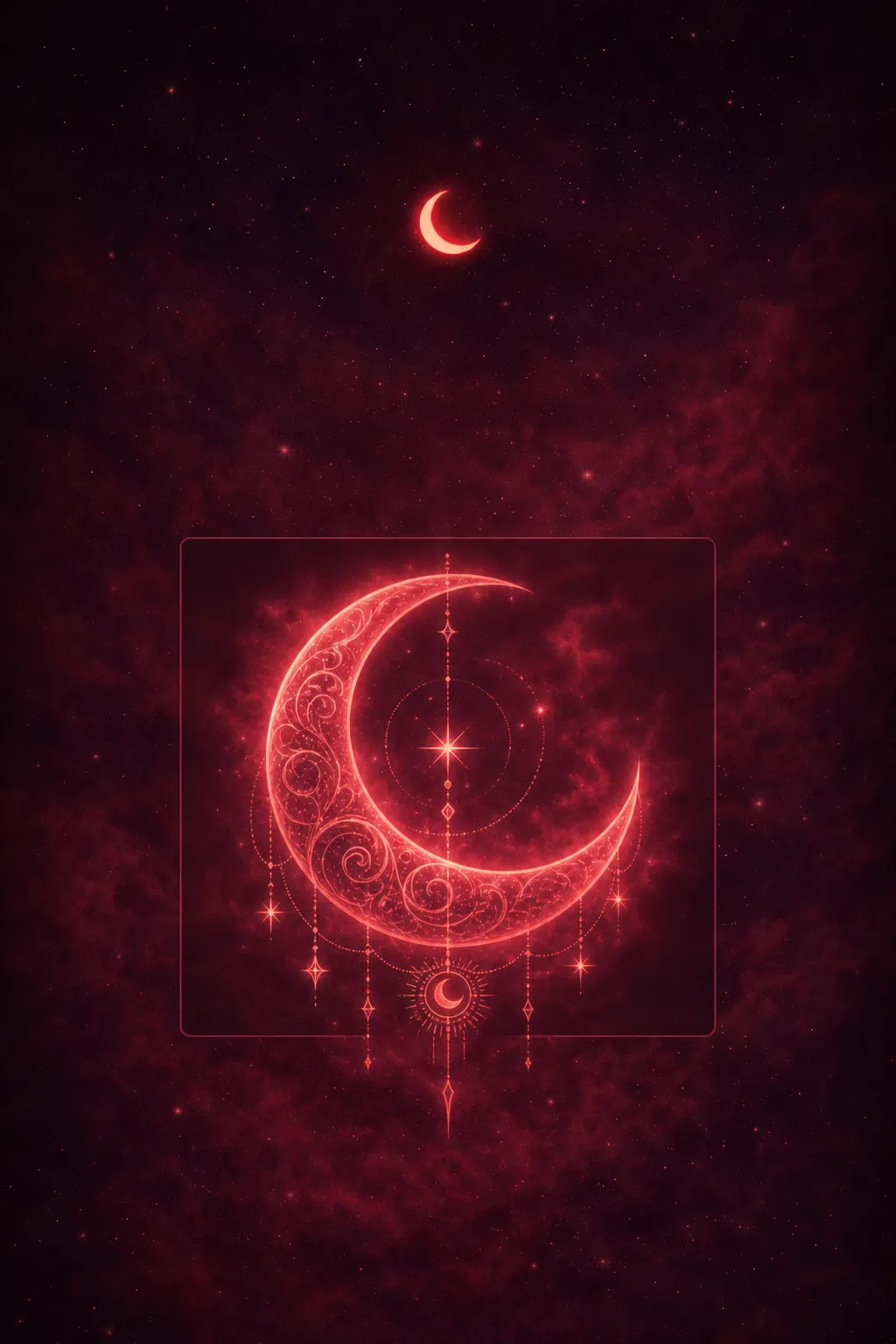

Dreaming about the moon typically symbolizes your intuition, emotions, and subconscious mind, reflecting cycles of change, hidden desires, or a need for inner reflection — and depending on its phase, a full moon may signal emotional intensity or clarity, while a crescent moon suggests new beginnings or gradual growth on your life's journey.
In under a minute you could read what your exact dream means for you, and see a picture of it. Free.
A dream still on your mind? Get your personal reading.
Describe your dream in a line or two. In seconds you get a reading of your exact dream, a picture drawn from your own words, and every symbol explained.
Free. No sign-up. Takes 10 seconds. Your dream stays private.
0%
Analyzing your dream…
Something went wrong. Please try again in a moment.
Your dreams deserve more than a dictionary
Common Moon Dream Scenarios and What They Mean
The specific form the moon takes in your dream matters enormously. A full moon typically signals emotional peak — feelings that have been building beneath the surface have finally broken through. This can feel like welcome clarity or like intensity that is genuinely hard to manage, especially if waking life already feels stretched thin. A bright, glowing moon carries a quieter reassurance: even in a dark or uncertain season, some inner guidance is available to you. Contrast that with a dark or moonless sky, which often reflects a felt absence of direction — the unsettling sense of being emotionally in the dark with no reliable instinct to lean on.
Transitional moon images speak to where you are in a cycle. A crescent or new moon suggests something is only just beginning — an emotional process, a life change — and the dream may be nudging you toward patience rather than forcing resolution. A red or blood moon raises the stakes: it tends to surface when change feels ominous or when pressure has quietly become overwhelming, and in some Christian-influenced dream traditions it echoes the scriptural imagery of signs that precede significant upheaval. When the moon is falling, disappearing, or eclipsed, the anxiety reading is fairly direct — fear of losing your footing, of having the one reliable inner light blocked at exactly the wrong moment.
But what does your version mean?
- Moon reflected on water: You are observing your own emotional depths at a manageable distance — a sign of growing self-awareness rather than avoidance. This pairing with still or reflective water deepens the sense of conscious contemplation of unconscious material.
- Two or multiple moons: Competing loyalties, split feelings, or a situation where two equally valid emotional truths feel irreconcilable — the dreamscape has turned surreal to mirror your inner ambivalence.
What this dream could look like
Tap an image to open it full screen
Example images. Only you can see what you write in Dream Book.
The Moon as a Window into the Unconscious Mind
From a psychological standpoint, dreaming of the moon is widely understood as the mind turning its attention inward — toward the emotional undercurrents and unresolved feelings that rational, daytime thinking tends to push aside. Carl Jung associated the moon with the anima, the receptive, intuitive dimension of the psyche that operates below conscious awareness. Its reflected light is symbolically telling: just as the moon borrows its glow from the sun, a moon-heavy dream may signal that your self-image is being shaped largely by others' perceptions rather than your own inner authority. That borrowed sense of self is worth examining honestly.
The moon's phases map naturally onto emotional cycles — the recurring patterns of mood, withdrawal, and renewal that everyone experiences but few fully acknowledge. If the moon in your dream feels threatening or overwhelming, modern anxiety framing is relevant here: the image may be encoding feelings of being in the dark about a situation, a sense that change is coming on its own schedule regardless of your plans. Loss of control over timing — waiting for a difficult phase to simply pass — is one of the most quietly exhausting forms of stress, and the dreaming mind often uses lunar imagery to surface exactly that.
- Shadow material: partial moonlight can represent aspects of yourself only half-visible to conscious awareness — not fully hidden, but not yet examined.
- Emotional overwhelm: a moon that feels too bright or too close may reflect nighttime rumination or feelings that have outgrown the container you have been keeping them in.
- Intuition vs. control: the moon invites trust in cyclical rhythms — a psychological nudge toward self-knowledge over the urge to force outcomes.
Every dream you log starts to connect.
Dream Book keeps your dreams in one place and reveals the threads between them over time — your private dream journal. Free to start.


Cultural and Folk Traditions Around Moon Dreams
Across centuries of Western folk belief, the moon has been treated as far more than a night-light — it was a clock, a mood-maker, and a mild warning system. The old word lunacy preserves a once-common conviction that the lunar cycle could tip a person toward emotional instability, and though modern medicine set that idea aside long ago, the cultural reflex remains: we still speak of people "going a bit moon-mad" during a full moon, half-jokingly acknowledging that feelings can surge in ways that feel beyond our ordinary control. Dreaming of the moon can quietly tap into that same folk anxiety — the sense that certain emotional tides arrive on their own schedule, indifferent to how carefully we manage our days.
Was yours a sign? Find out.
From a broadly Christian cultural perspective, the moon appears in scripture as a sign of divine order and appointed seasons (Genesis 1:14), which lends moon dreams a secondary layer of meaning around timing and trust — the idea that cycles of difficulty or uncertainty are not random but are moving toward resolution. This reading sits comfortably alongside the modern-anxiety experience of waiting for a difficult "phase" to pass, offering a frame of patience rather than helplessness. The idiom once in a blue moon echoes this: rare events carry weight precisely because timing is felt to matter.
- Lunacy link: historical folk belief tied the full moon to heightened emotions and erratic behavior — a cultural memory that still colors how we interpret unsettled feelings at night.
- Harvest and planting lore: rural traditions used the moon as a guide for timing, reinforcing the idea that working with natural cycles, rather than against them, leads to better outcomes.
- Romantic longing: the moon is a near-universal symbol of yearning across Western poetry and song, so dreaming of it can reflect a pull toward what lies hidden or just out of reach in emotional life.
The Moon's Spiritual Meaning: Appointed Cycles and Light in the Dark
In the biblical tradition, the moon was created to "govern the night" and mark appointed seasons (Genesis 1:16) — a reminder that darkness itself operates within a designed order. When the moon appears in a dream, many Christians read it as a nudge toward trusting that the difficult or uncertain season they are moving through has a purpose and a limit. That framing speaks directly to the modern anxiety of feeling out of control: the cycle will turn, as it always has.
A bad dream isn't a bad sign.
Scripture also uses the moon in more dramatic registers — Joel's vision of the moon turning to blood and Matthew's darkened moon are signs of momentous, unavoidable change. For a dreamer already wrestling with a pervasive sense of darkness in waking life, such imagery in a dream may surface as the psyche's way of acknowledging that something genuinely significant is shifting — not as a prediction, but as an honest reckoning with the weight of the moment.
- Guiding light in hard seasons: Spiritually, the moon's reflected glow suggests that even borrowed or partial light is enough to navigate a dark stretch — faith, community, or quiet intuition can serve that role.
- Appointed timing: The moon's phases map to a broader spiritual theme of surrender — not every season is meant to be controlled or rushed.
- Warning or transition: A blood-red or blackened moon in a dream may signal an inner call to pay attention to what is ending or about to change in a significant way.
Related Dream Meanings
common dreams
Water Dream Meaning: Emotions, Intuition & Growth
5 min read
nightmares
Darkness Dream Meaning: Fear, Uncertainty & Hidden Self
5 min read
common dreams
Falling Dream Meaning: Insecurity, Fear & Loss of Control
5 min read
common dreams
What Does It Mean to Dream About Fire
5 min read
common dreams
Rats Dream Meaning: Fear, Betrayal & Hidden Truths
5 min read
common dreams
Cars Dream Meaning: Control, Direction & Life Path
5 min read
common dreams
What Does It Mean to Dream About Houses
6 min read
common dreams
Money Dream Meaning: Wealth, Worth & Anxiety
5 min read
What to Do After a Moon Dream: Grounded Steps Forward
Because moon dreams tend to surface when emotions are running ahead of conscious awareness, the most useful first move is to write down exactly what you felt inside the dream — not just what you saw. That emotional residue is the real signal. If the dream left you anxious or unsettled, treat it as a low-key check-in: something in your inner life is asking for attention, not necessarily something alarming in the outside world. Pairing this with a few minutes of honest reflection — journaling, a quiet walk, even a frank conversation with someone you trust — can help you identify which recurring feeling or unresolved situation the dream is pointing toward, much like tracking water in dreams often maps directly to emotional undercurrents in waking life.
Moon dreams also frequently coincide with periods of waiting or uncertainty — a decision that is not yet ready to make itself, or a life phase that feels stuck. Rather than forcing resolution, practical wisdom here is to map the pressure points: What in your life right now feels out of your control? What are you waiting on? Naming these clearly often reduces the ambient anxiety that feeds nighttime rumination.
But what does your version mean?
- Journal the feeling first — record emotional tone before you analyze imagery.
- Identify your current "dark phase" — what situation do you feel you lack full information about?
- Check sleep habits — persistent moon dreams during stressful stretches can signal that nighttime worry is disrupting genuine rest.
- Notice cycles — if this dream recurs, look for patterns tied to specific stressors or life seasons.
One dream is never the whole picture.
The free app remembers your dreams, draws them, and connects the threads over time — so the next one means even more. Free to start.
People Also Ask
Spiritually, the moon represents intuition, the subconscious mind, and feminine energy. Dreaming of it often signals a time of inner reflection, emotional awakening, or heightened psychic sensitivity. Many traditions connect the moon to cycles of change, suggesting your soul is moving through an important phase of growth or transformation.
Seeing multiple moons suggests conflicting emotions, divided loyalties, or confusion about your path in life. It may reflect feeling pulled in different directions or struggling to find clarity. Alternatively, it can symbolize abundance of intuition and creative energy, hinting that multiple opportunities or perspectives are available to you right now.
Biblically, the moon symbolizes appointed times, divine order, and God's faithfulness. Dreams featuring the moon may reflect a calling to trust in divine timing or a reminder that light exists even in darkness. Some interpret it as a sign of prophetic vision, referencing passages where the moon signals significant spiritual or earthly events.
Fully lucid dreams and precognitive dreams are considered the rarest. Moon dreams, while not uncommon, become exceptionally rare when the dreamer consciously controls the moon or receives a clear message from it. Such vivid, symbolic moon dreams are often remembered vividly and are thought to carry especially significant personal or spiritual meaning.
Curious what your dream would look like?